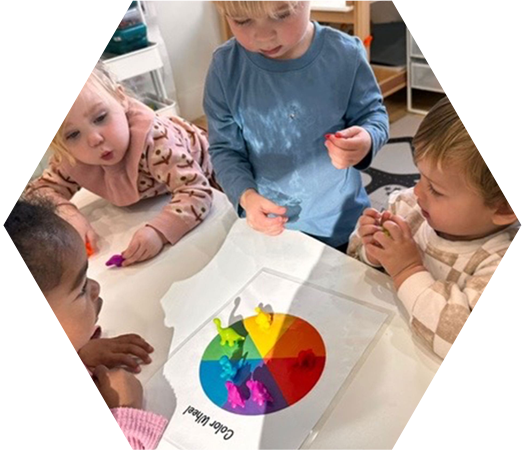

Parents often wonder if their child is ready to take the next step into an early learning environment. Is My Child Ready for Preschool? Signs to Look For is not just a question about age but about emotional readiness, curiosity and the ability to separate from caregivers. Starting preschool or choosing a boutique preschool is a significant milestone, and it helps to understand that readiness is not measured by memorizing letters or numbers. Instead, look for social‑emotional cues, emerging independence and a willingness to engage. By focusing on these factors and seeking nurturing environments like best preschool programs, parents can confidently guide their children into the world of early education.
What Does Readiness Mean? – Is My Child Ready for Preschool? Signs to Look For
Preschool readiness is often misunderstood as strictly age‑based, yet experts emphasize that it revolves around developmental milestones rather than a specific number of years. Children typically display signs of readiness between the ages of 2½ and 4, and these cues include the ability to separate from parents with minimal distress, communicate needs and participate in simple routines. When considering Is My Child Ready for Preschool? Signs to Look For, parents should pay attention to whether their child enjoys interacting with peers, shows curiosity about new activities, and can follow directions.
Experts also note that academic knowledge is not required for preschool; social‑emotional skills matter far more than reciting letters or counting. A child who feels secure enough to explore a classroom, express emotions with support and participate in routines is well positioned to thrive. Readiness encompasses engagement, curiosity and emerging independence rather than mastery of academic tasks.
Key Signs of Readiness – Is My Child Ready for Preschool? Signs to Look For
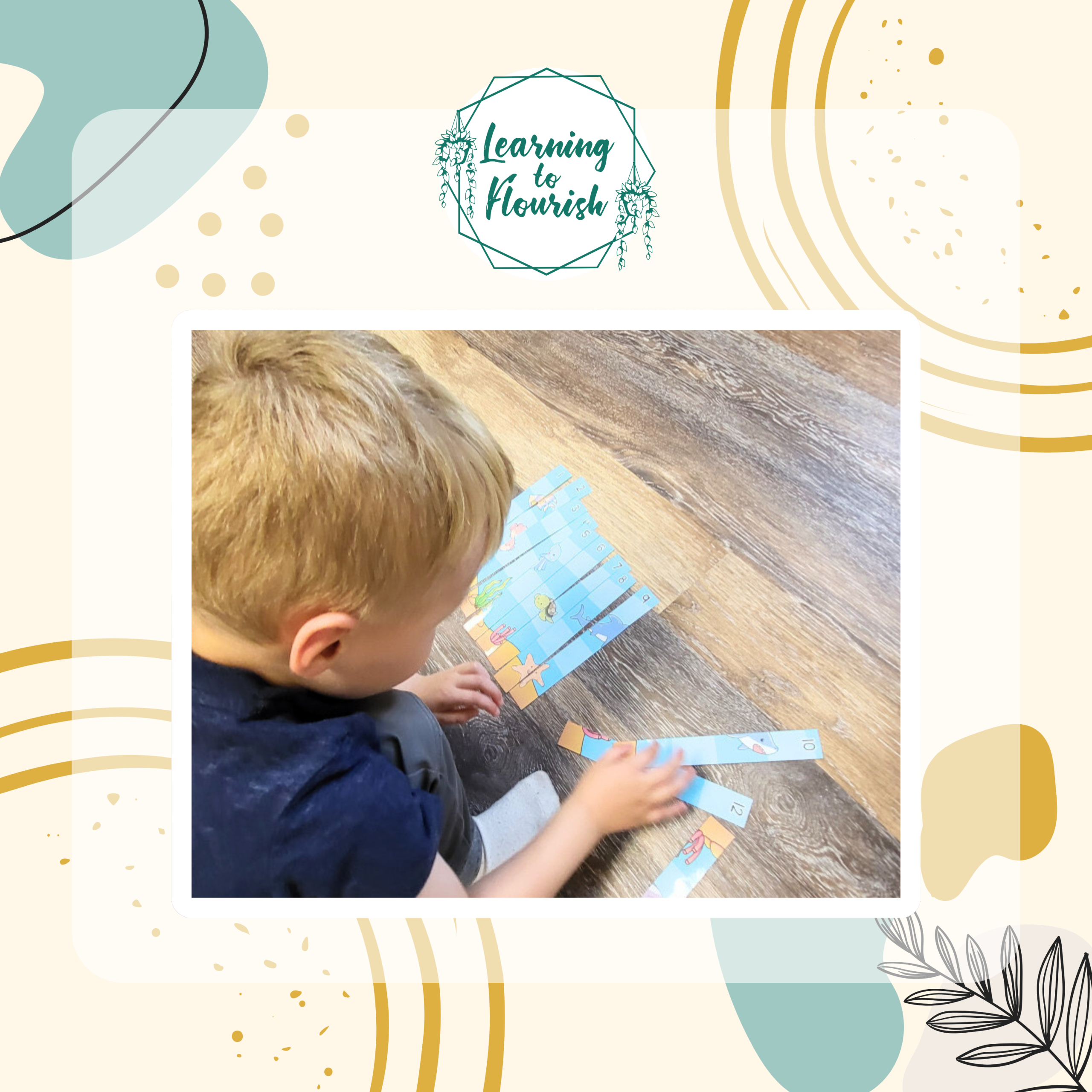
Emotional and Social Development
One of the most telling indicators that a child is ready for preschool is their ability to separate from caregivers without excessive anxiety. Children who enjoy playing alongside or with other kids, can share or take turns and use words or gestures to ask for help are developing social skills essential for success in a boutique preschool. Short good‑byes followed by interest in classroom activities show that a child feels secure enough to explore. The ability to express emotions and accept comfort from a teacher indicates emerging self‑regulation and readiness to participate in the social dynamics of a classroom.
Communication and Cognitive Skills
Children ready for early learning often use simple sentences to communicate needs, enjoy listening to stories and participating in songs, and follow basic directions. These behaviors signal emerging language and thinking skills and suggest your child may thrive in a best preschool programs setting. While they do not need to know letters or numbers before starting school, curiosity about books, counting games, colors and familiar objects indicates a readiness to learn.
Independence and Self‑Care
Independence is a key marker of readiness. Children entering preschool should be developing self‑care skills such as washing hands, dressing themselves and participating in potty training; perfection is not required, but eagerness to try signals confidence. Being able to transition from playtime to clean‑up or snack time with guidance shows flexibility and helps children feel competent in a group setting. Teachers in a boutique preschool support these skills, and children who adapt well to daily routines often experience less stress in best preschool programs.
Age‑Related Milestones – Is My Child Ready for Preschool? Signs to Look For
Children develop at individual paces, yet certain patterns emerge: toddlers may show readiness by expressing curiosity and enjoying short separations, three‑year‑olds often seek independence and engage more actively with peers, and four‑ to five‑year‑olds typically concentrate longer, resolve simple conflicts and take pride in responsibilities. The table below summarizes typical readiness milestones by age; these are guidelines rather than strict rules, so use them to observe growth trends rather than as checklists.
| Age Range | Social‑Emotional Cues | Communication & Cognitive Skills | Independence & Self‑Care |
|---|---|---|---|
| Around 2 years | Comfort with short separations; displays curiosity; enjoys parallel play | Uses basic words and gestures; begins to ask simple questions | Starts potty training; shows interest in washing hands |
| By 3 years | Shows desire to engage with peers; practices sharing and turn‑taking; expresses basic emotions | Forms simple sentences; follows two‑step directions; enjoys songs and stories | Wants to dress independently; understands simple routines |
| Between 4–5 years | Resolves simple conflicts; participates in group activities; takes pride in tasks | Uses more complex sentences; counts objects; recognizes colors and shapes | Manages toileting mostly independently; transitions smoothly between activities |
This overview highlights how skills progress; if your child is not meeting all milestones, consider waiting a few months or exploring a part‑time option. Many parents begin researching signs of readiness around age three. Our guide on Is a 3 Year Old Ready for Preschool? explores the emotional, social and developmental milestones that often emerge during this stage.
Supporting Your Child’s Journey
Helping children adjust to preschool involves practicing short separations and arranging playdates so they grow comfortable being apart from you and interacting with peers. Visiting the boutique preschool ahead of time and talking about the experience can reduce anxiety and build excitement. Establishing consistent routines at home—for meals, play, nap and bedtime—mirrors the structure of a classroom, and adding simple cues like songs or stories helps your child anticipate transitions. Encourage self‑care habits such as washing hands and putting away toys so classroom routines feel familiar.
Parents can also nurture independence by allowing children to take ownership of small tasks and offering choices. Letting your child set the table, tidy up toys or decide between two activities builds confidence and problem‑solving skills. Praise their efforts rather than perfection to foster resilience. These practices cultivate the self‑reliance and flexibility that support a smooth transition to preschool.
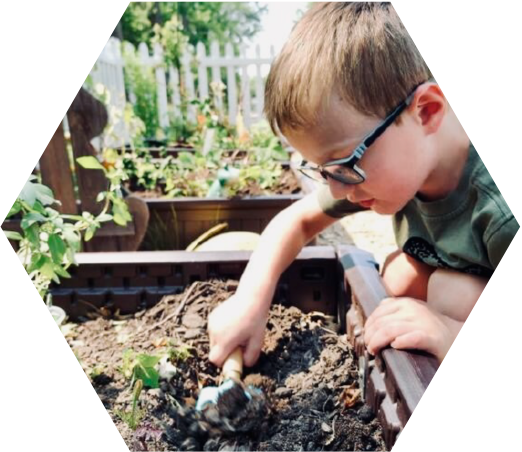
Choosing the Right Program
Selecting the right boutique preschool requires more than reviewing a brochure; it involves assessing whether the environment aligns with your child’s developmental stage and temperament. Consider factors like class size, teacher experience, curriculum philosophy and communication with families. Visiting prospective schools allows you to observe interactions, ask about approaches to transitions and conflict resolution and determine if the atmosphere feels welcoming and supportive.
Look for programs that value play‑based learning and social‑emotional development. Reputable best preschool programs provide opportunities for children to explore, create and collaborate and respect each child’s unique pace. Discuss your child’s strengths and areas of growth with the director to ensure the program will nurture their readiness.
Final Thoughts
Determining whether your child is ready for Is My Child Ready for Preschool? Signs to Look For is about observing developmental cues rather than following a strict timeline. Focus on social‑emotional readiness, communication and independence. If your child shows curiosity, enjoys interacting with peers and can manage simple self‑care tasks, they are likely on the path toward readiness.
Remember that every child grows at their own pace. Support their journey by practicing short separations, establishing routines and encouraging independence at home. When choosing a boutique preschool, prioritize nurturing environments and skilled teachers who appreciate the importance of emotional growth. By considering these factors and partnering with best preschool programs, you can help your child embark on a joyful and enriching educational experience.