
My Journey Toward the Right Fit
Finding the right preschool is both a milestone and a leap of faith. When I began looking for my child’s first classroom, I felt excited yet overwhelmed. Every program had its own character, and I quickly realized that asking thoughtful questions would be the key to choosing the right home-away-from-home. Through visits, I learned to look beyond glossy brochures and trust my observations. In this post, I share what I discovered so you can feel confident on your own tour.
Why Touring Matters for Your Decision

A tour is your best chance to understand a Preschool environment. Instead of guessing, you can observe how children and teachers interact, gauge the cleanliness of facilities, and feel the energy of the classroom. Being prepared with questions helps you turn a simple walk-through into a meaningful conversation. You’ll learn how the program fosters curiosity, manages transitions, and supports families. Observing firsthand helps you trust your instincts about where your child will thrive.
What Questions Should I Ask When Touring a Preschool? Understanding the Basics
During my tours, I began by asking about the school’s mission and philosophy. Was the program play-based, Montessori, Reggio Emilia, or academically focused? Understanding these approaches helped me decide which environment matched my child’s learning style. I also asked about teacher qualifications and ongoing training, because experienced educators make a big difference. Finally, I made sure to ask about teacher-to-child ratios and class size. Smaller classes often mean more individual attention.
Investigating the Classroom
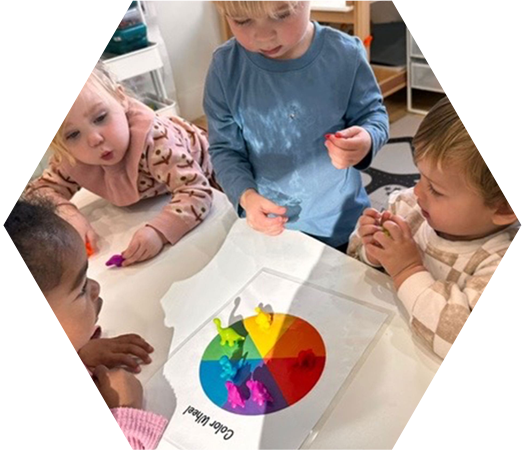
When visiting classrooms, note the materials and learning centers. Are there spaces for art, science, dramatic play, and reading? Ask how often children go outdoors and how free play is balanced with guided activities. If your child has special interests or needs, ask how teachers adapt lessons to different learning styles. These questions reveal how thoughtfully the program cultivates each child’s potential.
What Questions to Ask During a Preschool Tour?
Start with, What does a typical day look like? The answer tells you how time is divided between lessons, play, snacks, and outdoor exploration. Ask how teachers manage transitions from one activity to the next. Inquire whether meals and snacks are provided or if you need to pack food. If naps are part of the schedule, find out where children rest and how staff handle kids who no longer nap.
Clarifying Health and Potty Training Policies
If your child is still mastering potty training, ask about the school’s requirements and how teachers support children during accidents. It’s also important to ask about sick-child policies and allergy management. Do they administer medication? How do they keep classrooms clean? Their answers show how much they prioritize health.
What Questions to Ask at a Childcare Tour?
When you’re comparing preschools with other Childcare options, your questions may shift. Childcare centers often offer longer hours and greater flexibility. Ask about operating hours, early drop-off, and late pick-up. Confirm that the program is licensed and accredited. Ask how teachers communicate daily reports—through an app, email, or a notebook. Finally, inquire about enrichment activities like music or language classes. Parents who want additional touring tips can also review this helpful guide from Brightwheel.
Understanding Costs and Extras
Costs can vary widely, so request a detailed fee schedule. Are there extra charges for materials, field trips, or late pickups? Knowing the financial details helps you compare options. Ask about sibling discounts or payment plans, especially if you have more than one child.
Safety and Logistics: Protecting Your Child’s Well‑Being
Safety should be a top priority. Ask how the program controls access to the building. Are doors locked during the day? Is someone always monitoring the entrance? Find out about emergency procedures for fire or severe weather. Ask if staff are trained in CPR and first aid and whether they undergo background checks. If your child has food allergies, ask how the school prevents cross-contamination.
Daily Routines and Practical Details
Beyond safety, practical details can make or break your experience. Ask about drop-off and pick-up procedures. Find out whether you need to pack lunch or if meals are provided. If the school provides food, ask about menu options and how they handle dietary restrictions. Understanding routines helps you see how preschool will fit into your daily life.

Curriculum and Teacher Quality: The Heart of Learning
Educational philosophy and teacher quality go hand in hand. Ask whether the program follows a specific curriculum and how they measure progress. Do they track milestones through portfolios or assessments? Ask about enrichment programs—yoga, music, art, or foreign languages—and whether they are included or cost extra. You should also ask how teachers encourage social-emotional growth. Do they teach children to express feelings, resolve conflicts, and build friendships? Another important question concerns teacher training: What qualifications do educators have, and how often do they attend professional development?
Communication and Family Partnerships
Clear communication between teachers and parents builds trust. Ask how often you’ll receive updates on your child’s day and whether there are formal conferences. Does the program use a daily report app, email, or a weekly newsletter? Ask whether parents can volunteer or attend classroom events. Schools that invite family involvement usually create a stronger sense of community.
Comparing Preschool, Pre‑K, and Childcare Options
Deciding between a Preschool, a structured Pre-K Program, and other childcare alternatives can be challenging. Preschools focus on social and early academic development with a balanced mix of play and learning. Pre-K programs often have more structured academic activities designed to prepare children for kindergarten. Childcare centers may provide extended hours for working families. Consider your child’s temperament and your family’s needs when comparing. For a deeper dive into atmospheres, see What’s the difference between boutique and traditional preschool? to decide which environment fits your child.
Narrowing Down Your Choice
After touring several programs, reflect on what felt right. Did the environment feel safe, joyful, and respectful? Were the teachers warm and engaged? Did the curriculum align with your values? Make notes after each tour and follow up with any remaining questions. Your intuition, combined with the answers you gather, will help you choose a program where your child can grow.
Next Steps After Your Tour
Once your tours are complete, review handbooks, confirm application deadlines, and gather any documents you need. If possible, talk with parents of current students to gain insights from their experiences. Consider bringing your child to a second visit so you can see how they respond to the environment. Finally, trust your instincts. Choosing a program that feels right is a powerful act of love. Asking the right questions allows you to make an informed decision and ensures your child’s early years are filled with wonder and happiness.