

Yes, school programs in Westerville, but the phrase “half-day” can mean different things from one school to another. Some programs offer a morning session that ends before lunch. Others provide an afternoon session, a school-day schedule, or attendance on only two or three days each week.
That difference matters. A family may want a shorter day because a child has never been away from home, still naps, or becomes tired in the afternoon. Another family may want structured learning without needing a full day of care.
The best choice is not automatically the shortest or longest program. It is the one that gives your child enough time to build relationships, explore, play, and learn while fitting your family’s week.
Are there half-day preschool programs in Westerville that fit working families?
Half-day preschool can work well when a parent works from home, has flexible hours, shares caregiving responsibilities, or has help from a grandparent. A three- or four-hour session may provide a predictable learning routine without taking over the entire day. Learning to Flourish is one of the few preschools in Westerville offering half-day hybrid programs.
The challenge usually begins after dismissal. A program ending around noon may leave several hours before the workday is finished. Transportation can also become difficult when a parent has a meeting, another child’s activity, or a job that does not allow midday pickup.
Ask whether early drop-off, extended care, lunch, rest time, or flexible pickup is available. Do Preschools Offer Before and After School Care? A Parent’s Guide explains how these services can affect a family’s schedule.
Learning to Flourish’s Westerville location is open Monday through Friday from 7:00 a.m. to 5:00 p.m. That broader window can help families who want a preschool experience and dependable care around the learning day.

What Does “Half-Day Preschool” Usually Include?
A good half-day program should be more than supervised play packed into a few hours. Children need time to settle in, connect with teachers, participate in group learning, move their bodies, and make choices independently.
A typical session may include:
- Arrival and self-directed play
- A classroom community meeting
- Early literacy or language activities
- Hands-on math, science, art, or music
- Outdoor play
- A snack, lunch, or closing routine
The exact order matters less than the quality of the experience. Children should not feel rushed from one adult-directed activity to the next. Strong programs leave room for curiosity, conversation, repeated practice, and meaningful play.
The National Association for the Education of Young Children explains that play supports language, self-regulation, problem-solving, social skills, and joyful learning. Its developmentally appropriate practice principles can help parents compare preschool schedules and classroom approaches.
Half-Day Preschool Versus Part-Time Preschool
Parents often use “half-day” and “part-time” as if they mean the same thing. They do not always describe the same schedule.
Half-day usually refers to the number of hours a child attends each day. A child might attend five mornings per week from 8:30 a.m. to noon. Part-time may mean the child attends full days on Monday, Wednesday, and Friday or on Tuesday and Thursday.
Five short mornings create a daily routine and frequent repetition. Two or three longer days provide deeper blocks of classroom time and fewer weekly transitions between home and school.
Neither format is universally better. Some children benefit from attending every morning because the routine becomes familiar quickly. Others do better with recovery days at home between longer school days. Consider temperament, sleep, transportation, caregiving coverage, and how easily your child adjusts to transitions.
What Should Children Learn During a Shorter Preschool Day?
A shorter schedule can still support meaningful development when the program is intentional. The goal is not to squeeze an entire full-day schedule into three hours. It is to focus on the experiences that matter most.
A strong Early Childhood Education Program should support the whole child. That includes early language, literacy, number sense, physical development, creativity, independence, emotional regulation, and relationships with peers.
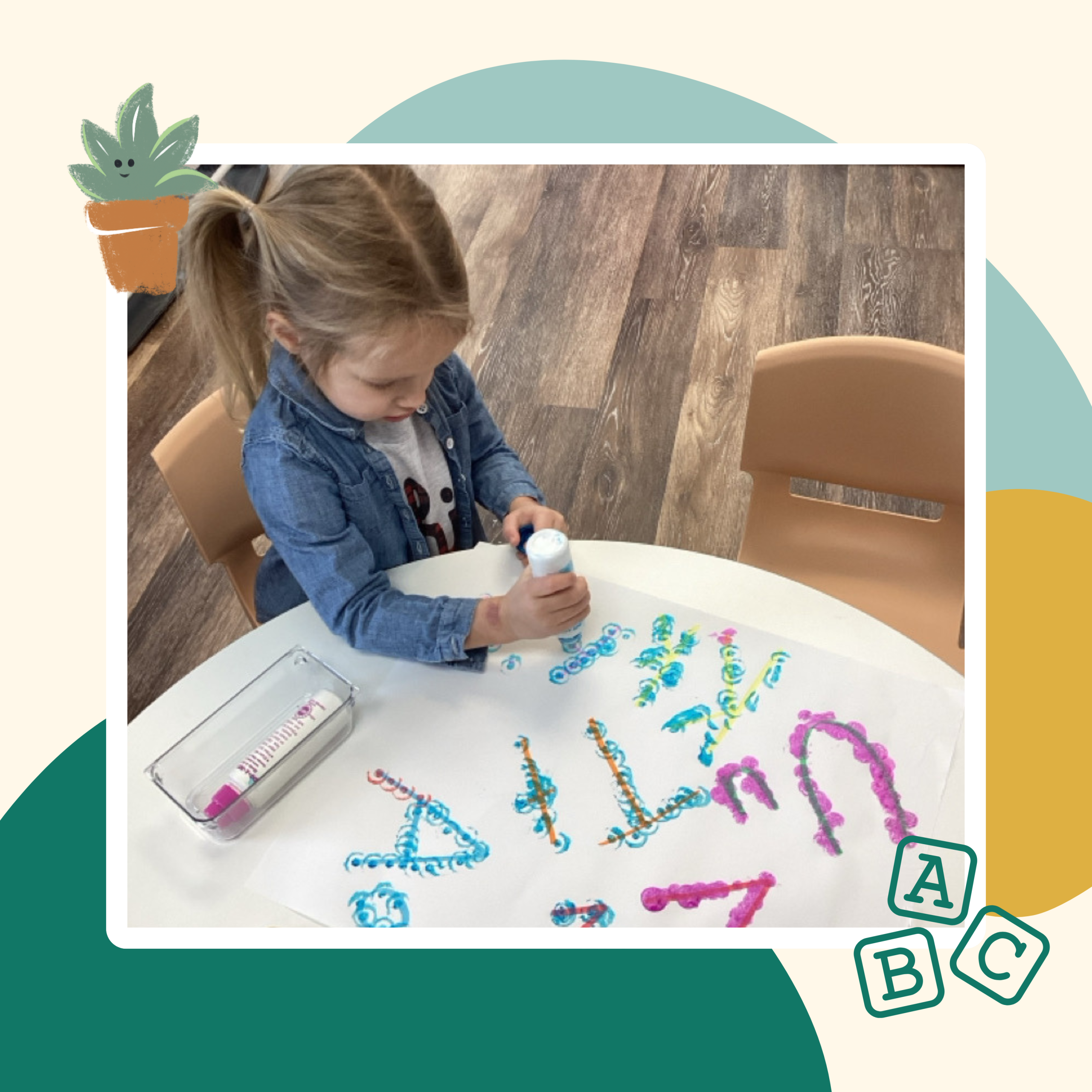
At Learning to Flourish, the daily approach includes early literacy, collaborative math, studio experiences, community meetings, self-directed play, yoga, mindfulness, and outdoor learning. These pieces work together. A child practicing patience during a group discussion is building a skill that later helps with reading, friendships, and classroom confidence.
This whole-child focus is especially important in a half-day setting. Young children need to move, speak, touch, test, imagine, and try again. Learning should feel active.
How Positive Education Supports Preschoolers
Academic readiness matters, but preschool is also where children begin learning how to handle frustration, join a group, express a need, and recover when something does not go their way.
A Positive Education Curriculum combines strong teaching practices with attention to well-being. Children can practice gratitude, mindfulness, resilience, social connection, and awareness of their strengths while developing academic foundations.
In our experience, parents often notice the value of this approach in small moments. A child uses a breathing strategy instead of immediately melting down. Another learns how to ask to join a game. Someone who once avoided a challenging activity begins saying, “I can try again.”
Those moments are meaningful. Confidence grows when children feel safe enough to attempt something, receive support, and discover that they can keep going.
Is a Half-Day Schedule Long Enough for Social Development?
It can be. Social development depends less on the clock and more on whether children regularly interact, solve small problems, practice language, and form secure relationships with teachers.
A half-day child can still learn to share materials, wait for a turn, listen during a group meeting, negotiate roles in pretend play, and repair a disagreement. Consistency helps. Seeing the same classmates and teachers builds belonging.
A very short or inconsistent schedule may make adjustment harder for some children. Ask how the program supports transitions and communicates with families about social growth.
When touring a Preschool in Westerville, watch how teachers speak to children. Warm, responsive interactions tell you more than decorative classrooms or a long activity list.
Questions to Ask Before Choosing a Half-Day Program
A tour should show what your child’s day will actually feel like. A program can have a wonderful philosophy and still be a poor match for your schedule.
Ask:
- What are the exact arrival and dismissal windows?
- Does “part-time” mean shorter days or fewer days?
- Are lunch, snacks, and rest included?
- Is before- or after-school care available?
- How much outdoor time do children receive?
- How are literacy and math taught?
- How do teachers handle separation anxiety?
- What are the teacher-to-child ratios?
- How does the school communicate with parents?
- Can families review licensing and inspection information?
Ohio’s child care search system lets families review regulated programs, licensing status, quality ratings, and inspection information. Use it as part of your research, then confirm current schedules and openings directly with each school.
When a Full-Day Preschool May Be a Better Fit
Some families begin with a half-day search and discover that a full-day program is less stressful. This often happens when midday transportation creates more disruption than expected or parents need reliable care during work hours.
A well-designed full day should not feel like eight straight hours of instruction. It should include meals, outdoor time, self-directed play, quiet periods, movement, and rest. Children need changes in pace.
Full-day care can also reduce the need to coordinate multiple caregivers and give children time to complete projects without rushing. For many families, that consistency supports a calmer home routine.
Finding the Right Preschool Schedule in Westerville
So, are there half-day preschool programs in Westerville? Yes, but families should compare the details carefully. One school’s half-day may be a morning class, while another school’s part-time option may involve fewer full days each week.
Start with your child, not just the calendar. Think about energy level, nap needs, comfort with transitions, and previous group-care experience. Then consider who will handle drop-off, pickup, work coverage, and unexpected schedule changes.
The strongest choice brings these needs together without losing educational quality. Whether your child attends for a half day or remains through the afternoon, look for responsive teachers, purposeful play, hands-on learning, outdoor exploration, and a classroom culture built on warmth and respect.
A tour is the best next step. Seeing the classrooms, meeting the educators, and discussing your schedule will give you a clearer answer than a program label alone.