
Starting your child’s educational journey is both exciting and a little daunting. As a teacher and parent myself, I’ve witnessed how small class sizes transform the way young children learn, grow and feel about school. In our own experience at Learning to Flourish, a nurturing community with low teacher‑to‑student ratios, the power of individualized attention and close relationships is unmistakable. This article explores why small classes matter, how they support learning and well‑being, and what you should look for when choosing a program for your child.
Understanding the Importance of Class Size in Early Education
Class size isn’t just about numbers—it shapes every aspect of your child’s day. In a smaller group, teachers can spend more time connecting with each child and tailoring lessons to their interests and needs. Research from the National Institute for Early Education found that children assigned to smaller preschool classes showed greater gains in general knowledge, language and social behavior. Another study reported that students in smaller groups receive more instructional time—80 % versus 67 % in larger classes. These figures confirm what many educators already know: fewer students mean more teaching, less classroom management and deeper learning.
At Learning to Flourish, class size is intentional. Our Preschool programs maintain ratios as low as 1:6 for toddlers and 1:10 for preschoolers, far below state licensing requirements. Parents frequently tell us that their children feel “seen” and “heard” because teachers know them personally. This closeness fosters confidence and a love of learning that children carry into elementary school.

Real Stories from the Classroom
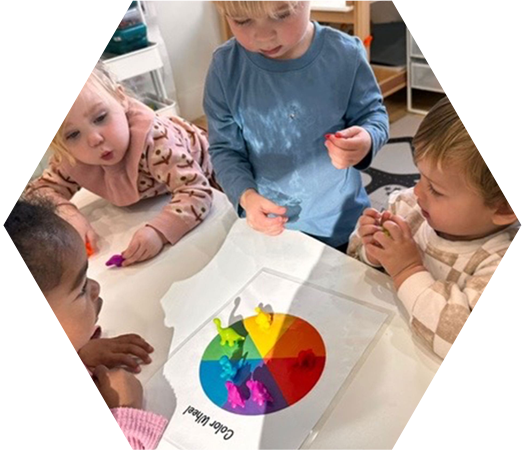
When I joined Learning to Flourish as a reading specialist, I was struck by the sense of community in each classroom. Every morning begins with a community meeting where children share something they’re grateful for, set intentions and practice active listening. With only a handful of students, shy children feel safe to speak up, and more outgoing children learn to listen patiently. Afterward, we move into self‑directed play and cooperative math. Because the class size is small, I can rotate among groups, kneel next to a child and guide them through a tricky counting game without the pressure of supervising dozens of others at the same time.
On another day, our Floating Assistant Teacher led a small group of four during outdoor exploration. The children planted seeds, observed worms and asked thoughtful questions about the soil. In a larger class, experiences like this might be rushed or superficial. Here, each child had time to share their thoughts and get messy without feeling lost in the crowd. These authentic moments are why many parents choose small settings: they allow real connections and a slower, deeper learning pace.
How Small Classes Foster Individualized Attention
One of the biggest benefits of small classes is the ability to tailor instruction. Teachers can observe how each child learns, spot early signs of struggle and celebrate successes. In a classroom of fifteen or fewer children, it’s much easier to adjust activities to support different learning styles and paces. A recent study found that small class sizes enable teachers to engage more directly with children and adjust their approach. This individual attention helps children build foundational skills in literacy, math and social‑emotional development.
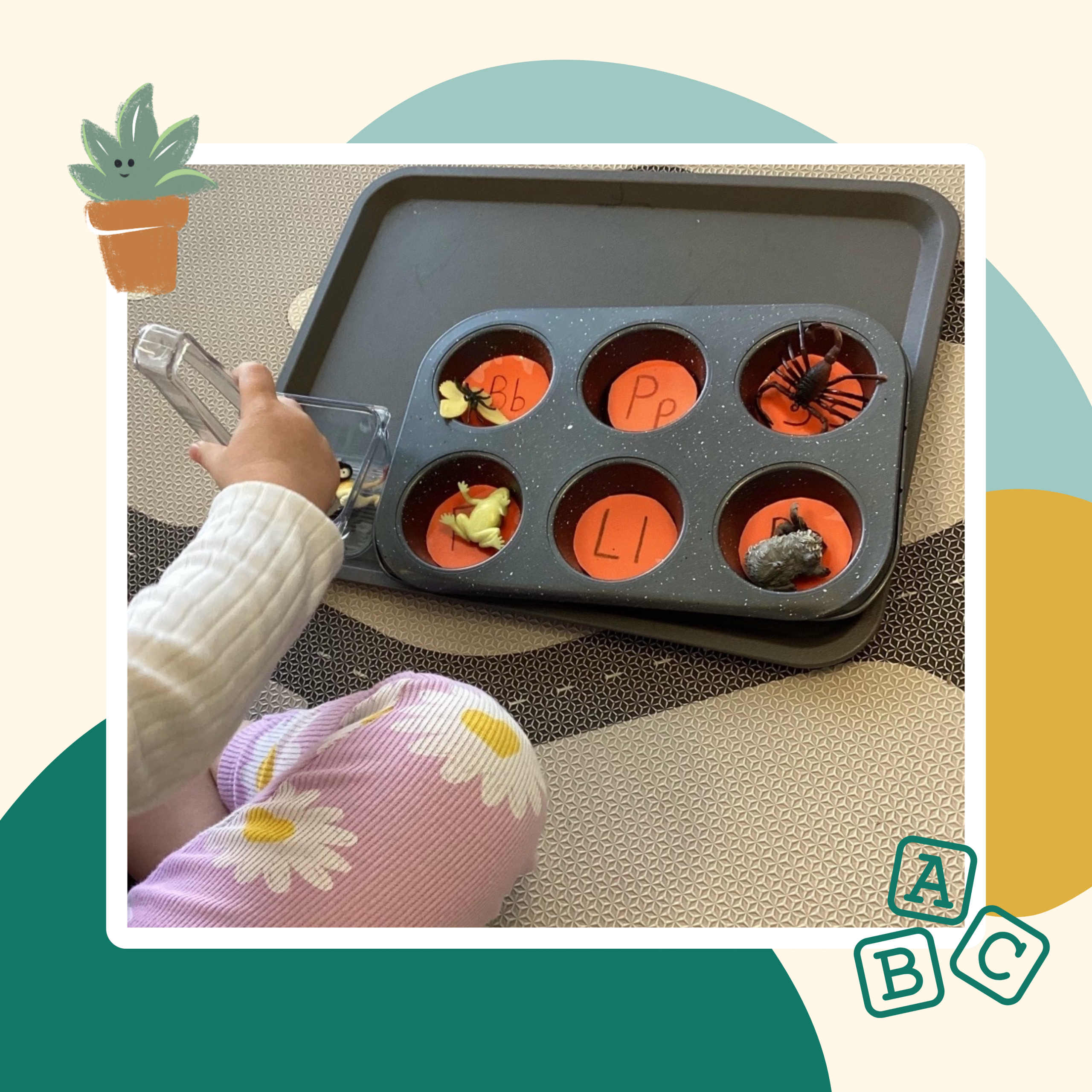
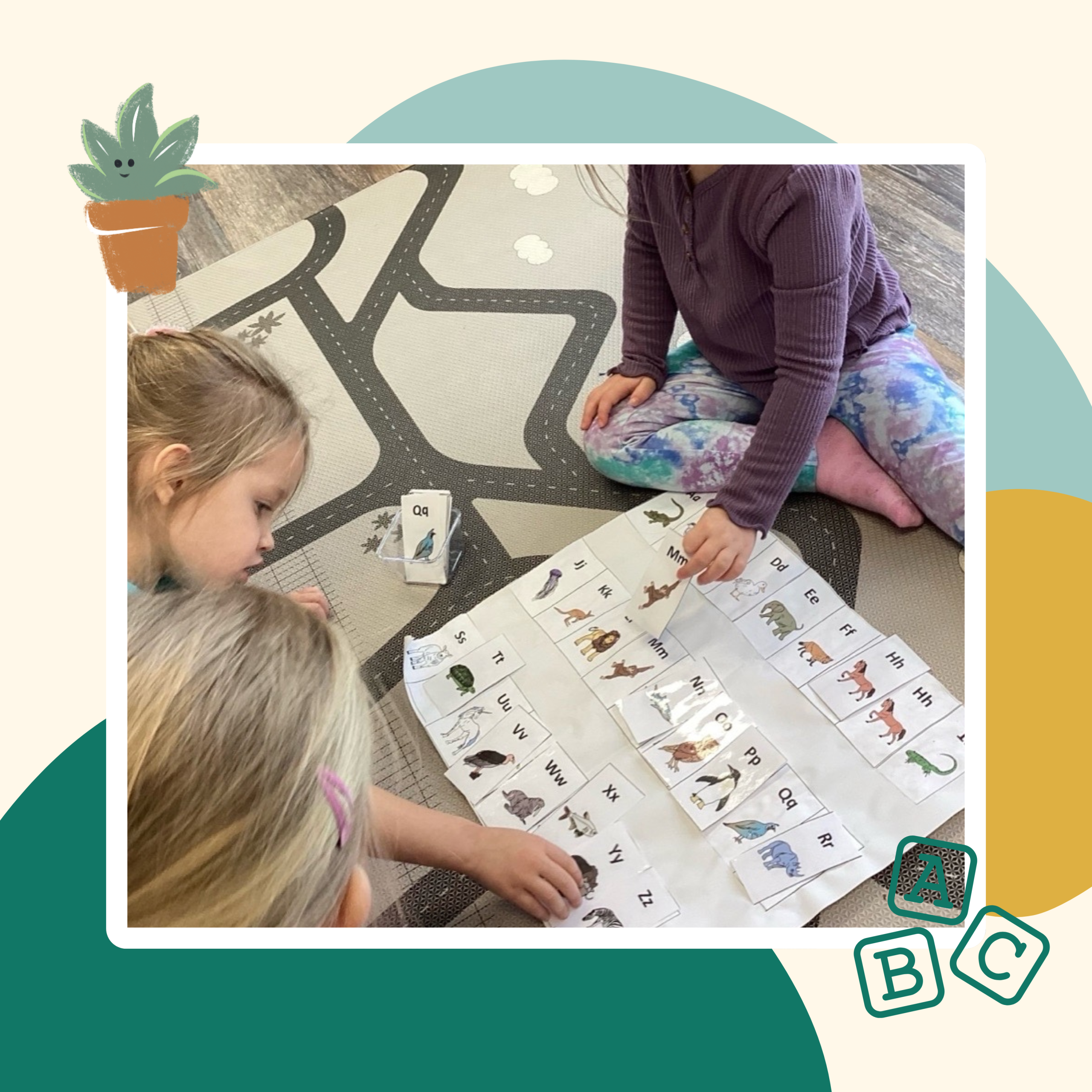
At Learning to Flourish, we blend whole‑group lessons with personalized workshops. During early literacy time, some children practice phonological awareness through clapping games, while others explore letters through sensory activities. When one child shows an interest in dinosaurs, we weave dinosaur names into our letter recognition activities. This level of responsiveness isn’t possible when teachers are stretched thin across a large group.
Personalized attention also extends to social interactions. In smaller classes, teachers notice subtle signs of discomfort or frustration and can intervene with empathy. As a teacher, I’ve helped children navigate friendship challenges by setting up role‑play scenarios and guiding them through language to express feelings. A strong teacher‑student relationship is a safety net for young learners, and it forms more readily in small groups.
A Table of Class Ratios
Below is a quick look at the teacher‑to‑student ratios and maximum group sizes in our programs. These numbers demonstrate how intentionally small classes support quality learning.
| Program Level | Age Range | Teacher‑Student Ratio | Maximum Group Size |
|---|---|---|---|
| Tot Program | 2‑year‑olds | 1:6 | 6 |
| Preschool | 3‑ and 4‑year‑olds | 1:10 (New Albany) / 1:8 (Gahanna) | 10 / 8 |
| Pre‑K Program | 4‑ and 5‑year‑olds | 1:12 | 13 / 9 |
These ratios are significantly lower than the state of Ohio’s requirements and mean that teachers have the capacity to know every child intimately.
Social and Emotional Growth in Small Settings
Academics aren’t the only area where class size matters. Social skills such as sharing, empathy and conflict resolution develop through practice and guidance. In small classrooms, children engage in more meaningful conversations with peers and teachers. They practice taking turns, listening carefully and expressing themselves clearly. Teachers can model and reinforce these behaviors consistently.
During our daily community meeting, we use mindfulness and gratitude exercises to help children regulate their emotions and build resilience. Because the group is small, we can keep track of everyone’s emotional state and intervene with a calming breathing exercise or a comforting hand on the shoulder. These practices are part of our Positive Education philosophy, which combines research‑based instruction with well‑being strategies.
Smaller groups also build stronger classroom communities. Children in small classes often report higher levels of belonging and friendship. At Learning to Flourish, we see children from different programs interact across ages in our studio sessions and outdoor exploration. Older preschoolers become mentors to younger children, and these cross‑age relationships flourish because everyone knows each other by name.
What is the 70 30 rule in teaching?
In discussions about teaching, you may have heard of the 70 / 30 rule. This guideline suggests that students should be talking and actively engaged about 70 % of the time, while teachers speak roughly 30 %. The goal is to create a classroom where learners interact with content, ask questions and reflect on what they know instead of passively receiving information. When the teacher does speak, their focus is on guiding discussions, providing feedback and clarifying misconceptions.
Small classes make the 70 / 30 balance easier to achieve. With fewer children, teachers can set up more hands‑on activities and open‑ended questions. For example, during a storytime session, I might read a page and then pause to ask, “Why do you think the character did that?” Each child has the space to share their thoughts, and I can follow up with probing questions that deepen understanding. In a larger class, there simply isn’t enough time for every child to contribute meaningfully.
Do kids with ADHD do better in smaller classes?
Children with attention deficit hyperactivity disorder (ADHD) thrive in environments that offer structure, individualized attention and minimal distractions. A specialized school’s blog notes that small class sizes can help facilitate the individualized attention that allows children with ADHD to thrive. Teachers in small groups can look a student in the eye, ensure they are engaged and adjust instruction quickly. Because ADHD manifests differently in each child, one‑size‑fits‑all strategies rarely work; a personalized approach is crucial.
In my experience, small classes allow me to tailor the environment for children with ADHD. We designate quiet corners for reading, provide movement breaks and use visual schedules to support transitions. When one child becomes restless during circle time, we can redirect them to an alternative activity without disrupting others. With a large group, such flexibility would be difficult. Small classes also foster relationships with families, enabling educators to collaborate on strategies that work at home and school.
What is the 80/20 rule in teaching?
The 80 / 20 rule, often called the Pareto Principle, states that roughly 80 % of outcomes come from 20 % of causes. In teaching, this concept has been adapted to mean that students should be doing 80 % of the work—communicating, collaborating and problem‑solving—while teachers provide guidance only 20 % of the time. In language instruction, for example, the 80 : 20 rule suggests that students should communicate 80 % of the time while the instructor speaks 20 %. This encourages teachers to design lessons that are student‑centered and interactive.
Small class sizes support the 80 / 20 approach by giving each child room to speak, collaborate and lead. In our Pre‑K Program, we encourage children to ask their own questions, direct group discussions and even lead simple activities. During a math workshop, for instance, a child might demonstrate how they sorted shells by size. The teacher then invites peers to ask questions, turning the lesson into a child‑led exploration. This approach builds confidence and communication skills, which are essential for lifelong learning.
Choosing the Right Preschool for Your Child
If you’re considering enrollment in a Pre‑K Program or thinking ahead to Pre‑K Enrollment, here are some tips for evaluating class size and overall quality:
- Observe the classroom dynamics. Pay attention to how many children are in the room and how the teacher interacts with each one. Are children engaged? Does the teacher crouch down to speak at their level? During a recent tour, a parent remarked on how our small classes allowed for calm, purposeful conversation rather than constant noise.
- Ask about teacher qualifications and support. Small classes are only effective when guided by knowledgeable educators. At Learning to Flourish, teachers are highly credentialed and receive ongoing professional development. We also employ a Floating Assistant Teacher to support small group instruction.
- Look at the daily schedule. A balanced schedule that includes self‑directed play, structured learning, outdoor exploration and mindfulness practices indicates a holistic approach. Our schedule includes yoga, community meetings and studio sessions that nurture the whole child.
- Consider how the school supports special needs. If your child has ADHD or another learning difference, ask how the school adapts its environment. Small class sizes should enable flexible, responsive teaching strategies.
Additional Questions to Ask During a Tour
To ensure you find the right fit, ask prospective schools these questions:
- What is the average teacher‑to‑student ratio in your Preschool and Pre‑K classrooms?
- How do teachers differentiate instruction in small groups?
- Can you describe how you handle behavioral challenges or support children with different needs?
- How do you incorporate play, outdoor learning and mindfulness into your curriculum?
- What opportunities exist for parents to engage with the classroom community?
These questions help you gauge whether a program truly values small class sizes or merely uses them as a marketing term. A genuine commitment will be reflected in staffing decisions, professional development and daily routines.
Conclusion: Small Classes, Big Impact
Choosing a preschool is one of the most important decisions you’ll make for your child. Small class sizes offer significant advantages—from enhanced academic achievement and individualized attention to stronger social‑emotional development and support for children with diverse needs. In my years at Learning to Flourish, I’ve seen how a supportive environment with low ratios transforms timid toddlers into confident learners. By understanding research‑based principles like the 70 / 30 and 80 / 20 rules, and by asking thoughtful questions during your search, you can find a program that aligns with your family’s values and your child’s learning style.
If you’re still wondering whether your child is ready for preschool, check out this helpful resource: Is My Child Ready for Preschool? Signs to Look For. Trust your instincts, gather information and remember that a small, nurturing classroom can make all the difference in your child’s early education journey.