
The best preschool features for working parents are the ones that remove friction from both the workday and the child’s day. Reliable hours, included meals and supplies, clear parent communication, safe drop-off and pickup, strong teachers, and a meaningful full-day curriculum can turn preschool from another logistical challenge into genuine support for the entire family.
For a working parent, convenience is not just a “nice extra.” It is knowing when the doors open, what needs to be packed, who will contact you if something changes, and whether your child is spending those hours in a thoughtful learning environment. At Learning to Flourish, many of those details are intentionally built into the program.
The Best Preschool Features for Working Parents: What Actually Makes Daily Life Easier?
Hours That Actually Fit a Workday
A preschool can be excellent educationally and still be difficult for a working family if its schedule does not match real life. Learning to Flourish is open Monday through Friday from 7:00 a.m. to 5:00 p.m., giving many parents room for commuting, morning meetings, and a standard workday.
When comparing a Preschool, look beyond the advertised opening time. Ask about scheduled closings, weather delays, late-pickup procedures, and how quickly families are notified when the schedule changes. Predictability matters because an unexpected delay can affect an entire workday.

Meals and Snacks That Remove One Daily Task
Packing a nutritious lunch every night sounds manageable until it becomes one more task after work, dinner, laundry, and bedtime. Learning to Flourish includes breakfast or a morning snack, lunch, and an afternoon snack, with an emphasis on fresh produce, whole grains, dairy, and other wholesome foods.
The school also works with families around allergies, food sensitivities, and preferences within its policies. There is even a small detail grounded in the reality of rushed mornings: the handbook notes that parents can enjoy a complimentary breakfast snack and coffee. It is not why anyone chooses a preschool, but it reflects the idea that parents are part of the school community too.
Fewer Supplies to Pack, Wash, and Remember
Some of the most useful preschool features are surprisingly ordinary. If a parent has ever reached the parking lot and realized the diapers, wipes, or blanket is still sitting by the front door, they know how valuable “included” can be.
Learning to Flourish provides name-brand diapers, hypoallergenic wipes, and cot sheets and blankets for children at no additional cost. The handbook also explains that the school provides naptime linens and washes them weekly. Classroom materials and supplies are integrated into tuition rather than handled through a separate annual supply fee.
Those choices reduce the number of things parents have to buy, label, restock, transport, and remember. For a working household, that is real convenience.
Communication Without Chasing Down a Teacher
Parents should not have to wonder how to reach the school when they are sitting at work with a question. Learning to Flourish uses brightwheel for family communication, and parents can message the school with questions or concerns. The system is also used for important notices such as weather-related closures.
The school schedules parent conferences in the fall and spring while allowing families to request additional conversations. Its open-door approach also encourages parents to stay connected to what is happening in the classroom.
Working parents need both quick communication and deeper communication. A message can solve today’s question, while a conference creates room to discuss growth, behavior, learning, and what a child may need next.
Convenience Should Never Replace Quality
The Best Preschool Programs make family life easier without treating the school day like simple supervision. A child may spend many hours at preschool each week, so those hours should include play, relationships, movement, learning, rest, and opportunities to become more independent.
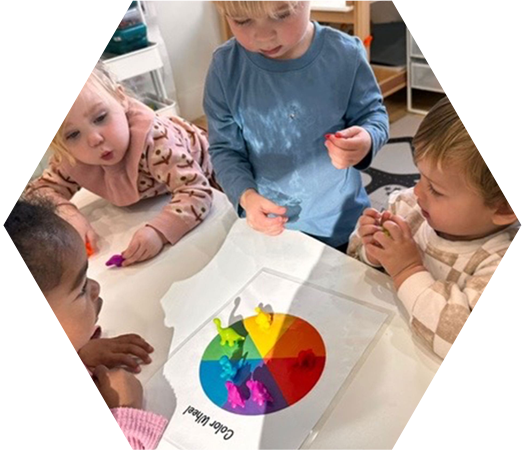
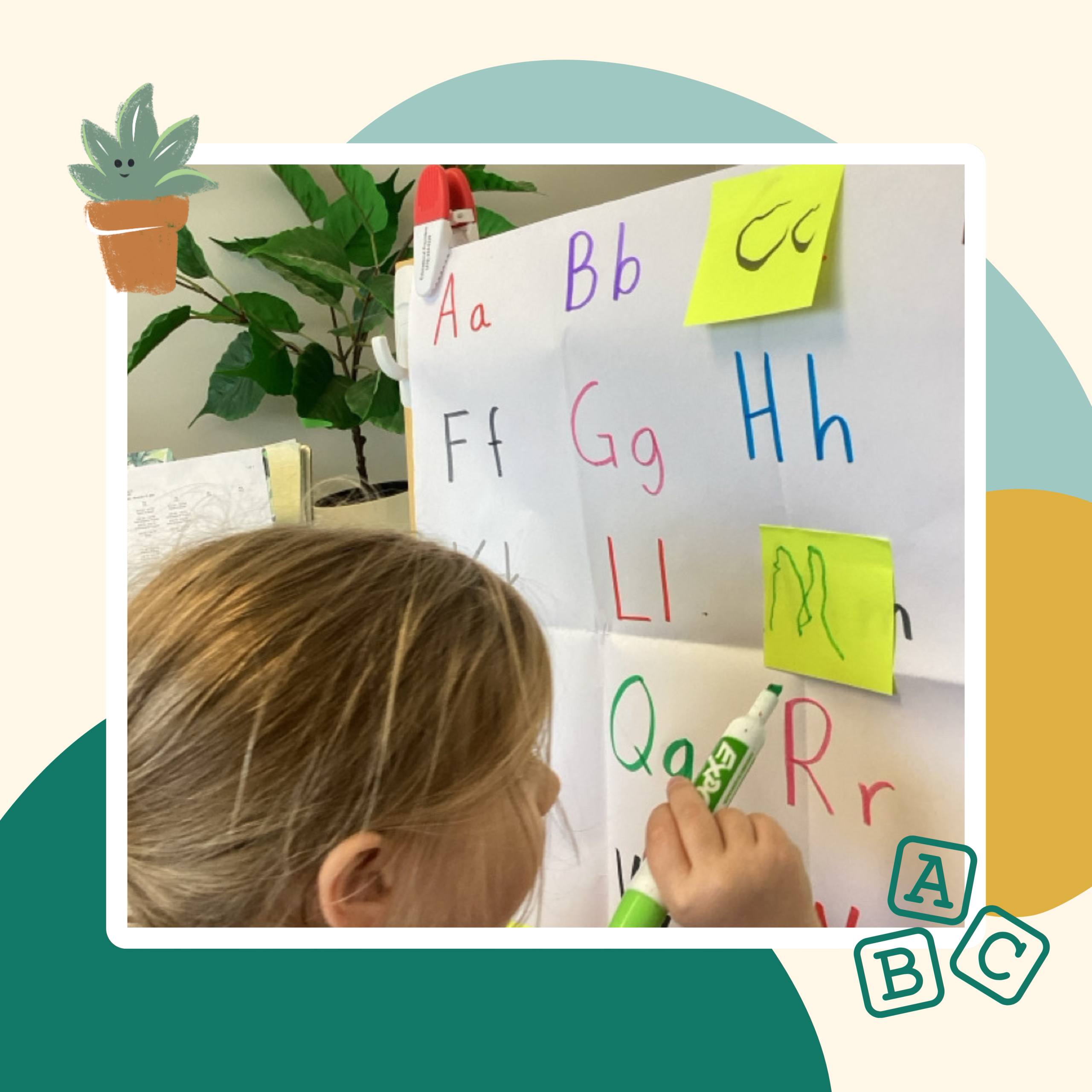
Learning to Flourish’s curriculum includes early literacy, collaborative math, studio sessions, community meetings, self-directed play, yoga and mindfulness, and outdoor learning. Preschool and Pre-K workshops combine teacher-led instruction with hands-on exploration, while literacy instruction includes read-alouds, interactive activities, and phonological-awareness work.
What stands out is the balance. The daily schedule does not force young children into desk work all day, but it does not leave learning to chance either. There are intentional times for academics, creative exploration, outdoor play, self-directed play, meals, movement, and rest.
Teacher Ratios and Extra Classroom Support Matter
Convenience means very little if a child is not known well by the adults caring for them. The Learning to Flourish uses a staff-to-child ratios of 1:6 for the Tot Program, 1:8 for Preschool, and 1:12 for Pre-Kindergarten, along with small maximum group sizes.
The program also describes a floating assistant teacher who can support small-group instruction, collaborate with classroom teachers, and provide additional help throughout the learning environment. For parents, the practical benefit is straightforward: additional classroom support can make it easier to respond to individual children.
When touring a preschool, ask who is actually in the room throughout the day. It is also worth asking how staffing works during breaks, absences, transitions, outdoor time, and the beginning and end of the day.
Safe Drop-Off and Pickup Should Feel Clear, Not Complicated
Working parents need drop-off and pickup to be efficient, but security cannot be rushed. Learning to Flourish uses a locked facility with coded access, requires authorized pickup information, and asks adults on the authorized pickup list to show photo identification.
Parents or guardians escort children to the classroom and greet the teacher at the door during drop-off. This creates a clear handoff instead of uncertainty about whether the child has entered the room and is under staff supervision.
That structure is especially useful on hurried mornings. A good process should become an easy routine without sacrificing safety.
A Predictable Transition Into Preschool Helps Parents Too
The first few weeks of preschool are an adjustment for children, but they can be an adjustment for parents as well. Learning to Flourish requires family orientation before a child’s first day, giving parents a chance to share important information and learn about safety protocols and general school practices.
Enrollment is available throughout the year, subject to space and program requirements. Families considering Pre-K Enrollment should ask what paperwork is required, whether there is a waitlist, when orientation happens, and how the school decides a child is ready for the next classroom.
Learning to Flourish uses multi-age groupings and describes program transitions as a joint decision involving teachers and parents based on the whole child. Parents receive advance written notice before a transition, helping families prepare for the change.
For a closer look at the transition itself, read Starting Preschool? What Parents Can Expect During the First Few Weeks. Knowing what those first days may look like can make the adjustment easier for both children and parents.

What Should Working Parents Ask During a Preschool Tour?
A tour is the best time to determine whether a preschool’s promises translate into daily reality. ChildCare.gov also offers Look, Listen, and Ask tips for choosing quality child care, which can help families know what to observe while visiting a program.
Ask practical questions that reflect your actual week:
- What are the true drop-off and pickup windows, and what happens when a parent is delayed?
- Which meals, snacks, diapers, linens, and classroom supplies are included?
- How will I receive routine updates, urgent messages, and closure notifications?
- What happens if my child becomes sick while I am at work?
- Who can pick up my child, and how is identity verified?
- What are the normal class size and staff-to-child ratio throughout the day?
- How much of the day includes outdoor play, academics, movement, rest, and self-directed play?
The answers should make you feel that the program has thought through the same problems you think through every weekday morning.
The Right Childcare Should Support the Whole Family
The best preschool features for working parents are not flashy extras. They are dependable systems that save time, reduce mental load, keep parents informed, protect children, and make the hours away from home meaningful.
For families comparing preschools, it helps to imagine an ordinary Tuesday rather than only picture the first day of school. Who is packing lunch? What happens when it snows? How do you message the teacher? What is your child doing between morning drop-off and afternoon pickup? A strong program should have clear answers.
At Learning to Flourish, the details outlined for families show an effort to support both sides of the preschool relationship. Children need warmth, learning, movement, safety, and connection. Parents need reliability, communication, and fewer daily obstacles. When those needs work together, preschool can make family life feel more manageable rather than more complicated.