
Parents often spend a lot of time thinking about the early years of their child’s education. The decision around preschool, and pre-k enrollment can feel especially important because it sets the tone for everything that follows. In Ohio, many families want clarity on whether pre-k is required or simply recommended, and what that means for their child’s future.
The short answer is simple: pre-k is not mandatory in Ohio. However, that does not mean it is unimportant. In fact, many educators and families consider pre-k and preschool experiences to be some of the most valuable years in a child’s development. Understanding how these programs work—and why they matter—can help parents make confident decisions.
Is Pre-K Mandatory in Ohio? A Clear Answer for Parents
Pre-k is not a legal requirement in Ohio. Children are required to attend school starting at kindergarten age, but participation in pre-k or preschool programs is optional. That means families can choose whether to enroll their child in early education programs based on their needs, goals, and readiness.
Even though pre-k is optional, many families still prioritize pre-k enrollment because of the developmental advantages it provides. These programs are designed to support early learning in ways that prepare children both academically and socially. Parents often find that children who attend preschool or pre-k transition more smoothly into kindergarten.
The flexibility in Ohio’s system allows families to choose what works best. Some may opt for full-day programs, while others prefer part-time preschool experiences. The key is understanding the benefits and choosing a path that aligns with your child.
Why Preschool and Pre-K Still Matter Even If They Are Not Required
The fact that preschool is optional does not reduce its value. In reality, early childhood education plays a critical role in shaping how children approach learning, relationships, and problem-solving. High-quality preschool and pre-k programs help children build foundational skills that extend far beyond academics.
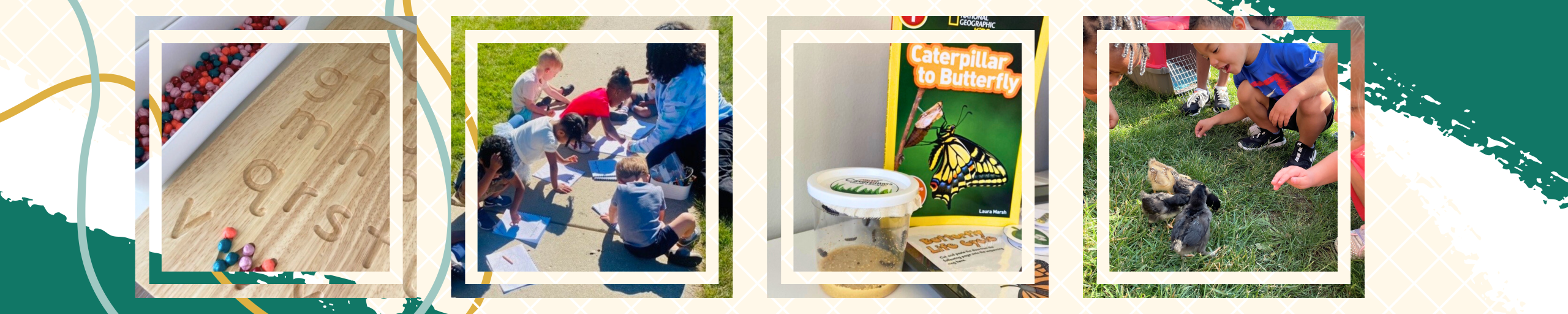
Children in these programs develop language, communication, and social skills through guided play and structured activities. They also learn how to follow routines, share with others, and express their emotions in healthy ways. These are skills that cannot always be taught at home in the same structured way.
Parents searching for the best preschool programs often discover that the right environment can significantly influence their child’s confidence and independence. When learning feels positive and engaging, children are more likely to enjoy school in the long run.
Pre-K Enrollment and School Readiness: What Parents Should Know
One of the biggest reasons families consider pre-k enrollment is kindergarten readiness. While children develop at different rates, structured early learning environments can provide consistent exposure to key skills that support a smoother transition into school.
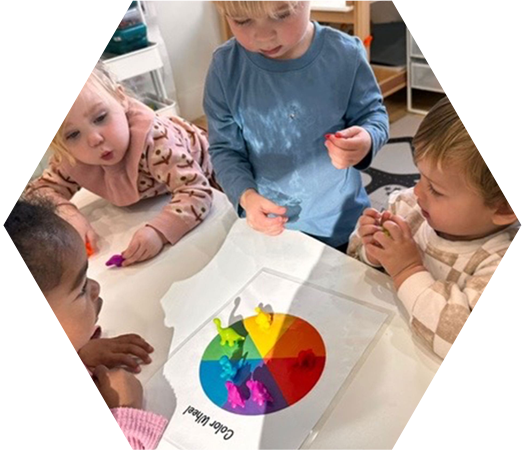
Pre-k programs typically introduce early literacy, number recognition, and problem-solving in ways that feel natural and enjoyable. Instead of formal instruction, children learn through play, interaction, and guided exploration. This helps them absorb concepts without feeling pressured.
Parents often notice that children who attend pre-k are more comfortable in group settings. They are familiar with classroom routines, better able to communicate their needs, and more confident in trying new activities. These small advantages can make a big difference when starting kindergarten.
Preschool vs Pre-K: Understanding the Difference
Many parents use the terms preschool and pre-k interchangeably, but there are subtle differences. Preschool generally refers to early learning programs for children ages three to four, while pre-k is designed specifically for children preparing to enter kindergarten.
Preschool focuses on introducing basic social and developmental skills. Pre-k builds on that foundation by adding more structured learning experiences that prepare children for academic expectations. Both play an important role in early childhood education.
Choosing between preschool and pre-k often depends on your child’s age, readiness, and individual needs. Some families choose to enroll their child in both, allowing for a gradual transition into more structured learning environments.
What Makes the Best Pre-K Program for Your Child
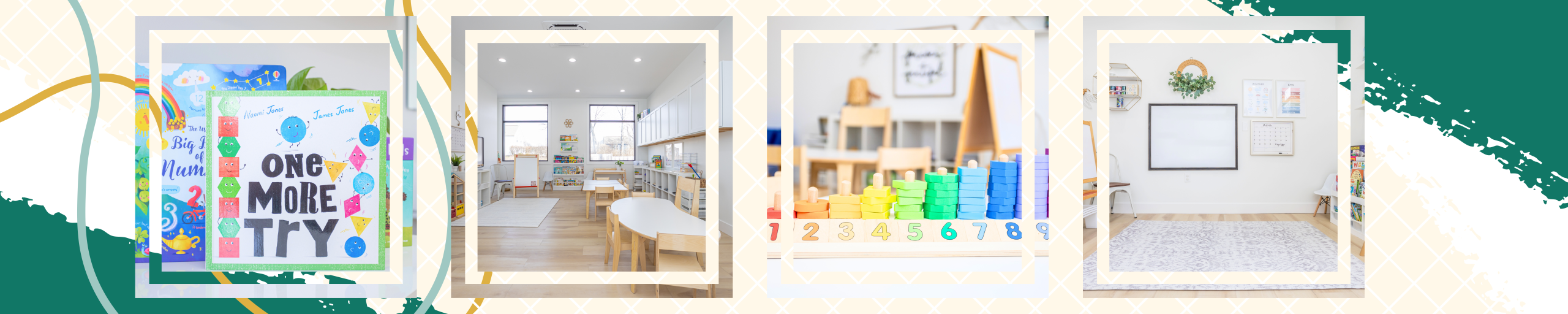
Not all programs are created equal, which is why parents often look for the best pre-k program when exploring their options. A high-quality program should balance academic readiness with emotional and social development.
Key features to look for include:
-
Experienced and caring teachers
-
Small class sizes
-
A structured yet flexible daily routine
-
Opportunities for play-based learning
-
Strong communication with families
The best programs create an environment where children feel safe and supported. When children are comfortable, they are more willing to explore, ask questions, and engage in learning.
How Early Learning Impacts Long-Term Development
Early childhood experiences have a lasting impact on how children learn and interact with the world. High-quality preschool and pre-k programs help children build confidence, resilience, and problem-solving skills that stay with them throughout their education.
Children who participate in early learning programs are often better prepared to handle challenges. They develop the ability to focus, follow directions, and work collaboratively with others. These skills are essential not just for school, but for life.
Parents sometimes underestimate how much children absorb during these early years. From emotional regulation to communication, the lessons learned in preschool settings shape future success in meaningful ways.
Choosing the Right Path for Your Family
There is no single “right” answer when it comes to early education. Some families prioritize full-day programs, while others prefer part-time or delayed enrollment. What matters most is finding a program that aligns with your child’s personality and your family’s routine.
Visiting schools, observing classrooms, and speaking with teachers can provide valuable insight. Pay attention to how children interact with their environment and how teachers guide learning. These details often reveal more than brochures or websites.
Trust your instincts as a parent. You know your child best, and your decision should reflect what feels right for their growth and happiness.\
Final Thoughts on Early Learning in Ohio
Pre-k may not be mandatory in Ohio, but its impact is undeniable. Families who choose to invest in preschool and pre-k enrollment are often giving their children a strong foundation for future learning and development.
The early years are about more than academics. They are about building confidence, forming relationships, and discovering a love for learning. A supportive environment can make all the difference in how a child approaches school and life.
If you are exploring early education options, take the time to find a program that reflects your values and supports your child’s unique journey. The right choice will not only prepare your child for kindergarten—it will help them thrive.