
Child development unfolds in stages, each one building on the last in meaningful and sometimes surprising ways. From the earliest moments of infancy to the growing independence seen in pre-k and preschool years, children are constantly learning, adapting, and discovering who they are. Understanding these stages helps parents make informed decisions about pre-k enrollment, early education, and childcare environments.
While every child develops at their own pace, there are general patterns that guide how children grow physically, emotionally, socially, and cognitively. These stages are not about strict timelines. They are about recognizing what children need at each phase and providing the right support at the right time.
Why Understanding Child Development Matters in Preschool and Childcare
Early childhood is not just preparation for school. It is the foundation for how children think, feel, and interact with the world. Programs like pre-k, preschool, and structured childcare settings play a critical role in supporting these stages.
When parents understand development, they begin to see behaviors differently. A tantrum becomes communication. Curiosity becomes learning. Independence becomes growth. These insights allow families to choose environments that align with their child’s needs.
Many families explore the best preschool programs to ensure their child receives both emotional support and academic readiness. The right setting can make each stage smoother and more meaningful.
Stage 1: Infancy (Birth to 18 Months)
The first stage of development is centered around trust, bonding, and sensory exploration. Babies learn through touch, sound, and movement. They begin recognizing familiar faces, responding to voices, and forming attachments with caregivers.
During this stage, consistency and nurturing care are essential. Babies rely on adults to meet their needs, which builds a sense of security. This emotional foundation influences how children approach relationships later in life.
Although formal learning is not introduced here, early childcare environments can support development through safe, responsive interactions and sensory experiences.
Stage 2: Toddler Years (18 Months to 3 Years)
Toddlers are driven by curiosity and a growing desire for independence. This stage is often marked by exploration, experimentation, and strong emotional responses. Children begin to develop language skills and express their needs more clearly.
At this age, routines and boundaries help children feel secure while they test limits. Social interaction becomes more important as children learn to share, imitate, and engage with others.
High-quality childcare and early learning environments provide opportunities for guided exploration. These experiences support both cognitive growth and emotional development in a structured yet flexible way.
Stage 3: Preschool Years (3 to 4 Years)
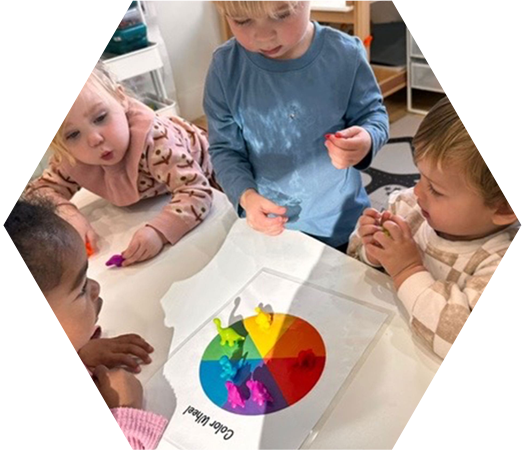
The preschool stage is where imagination, communication, and social interaction begin to expand rapidly. Children start forming friendships, engaging in pretend play, and asking endless questions about the world around them.
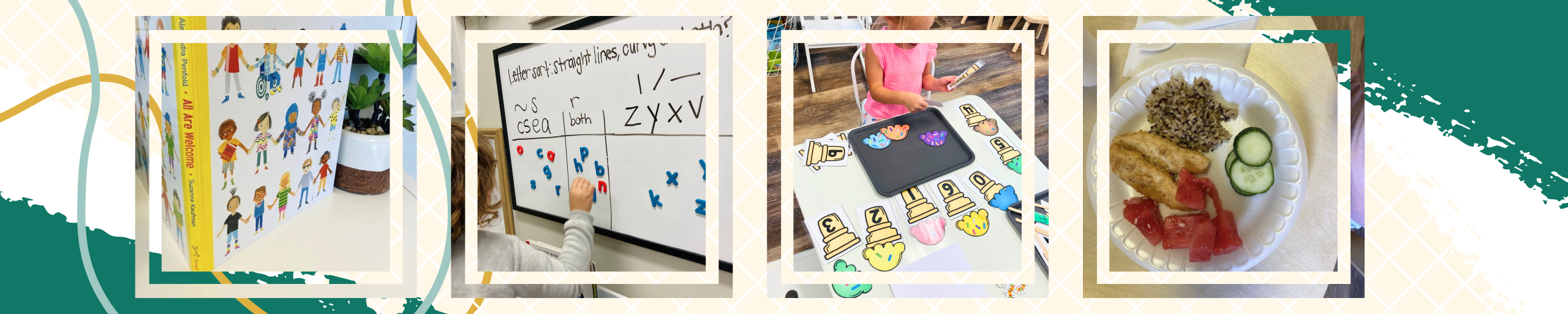
This is often when families begin considering structured preschool programs. These environments introduce early literacy, creative activities, and group learning experiences. Children also begin to understand routines and expectations.
Parents looking for the best pre-k program often start their journey during this stage, as it sets the groundwork for the next phase of development.
Stage 4: Pre-K Development (4 to 5 Years)
The pre-k stage is one of the most important transitions in early childhood. Children begin developing stronger cognitive skills, improved focus, and greater emotional awareness. They are more capable of following instructions, solving problems, and working collaboratively with peers.
Pre-k enrollment becomes especially valuable during this stage because it introduces structured learning in a supportive environment. Children are exposed to early reading, basic math concepts, and social problem-solving skills.
Programs that balance academics with emotional development help children build confidence. This confidence carries into kindergarten and beyond, making the transition smoother and more successful.
Stage 5: Early School Age (5 to 8 Years)
As children enter kindergarten and early elementary years, they begin applying the skills developed in earlier stages. They become more independent, develop deeper friendships, and take on new challenges.
This stage focuses on refining cognitive abilities, strengthening communication, and building self-confidence. Children begin to understand responsibility and develop a sense of identity within their peer groups.
The experiences children had in preschool and pre-k often shape how they approach this stage. A strong early foundation leads to greater confidence and adaptability.
What to Look for in a Strong Early Learning Program
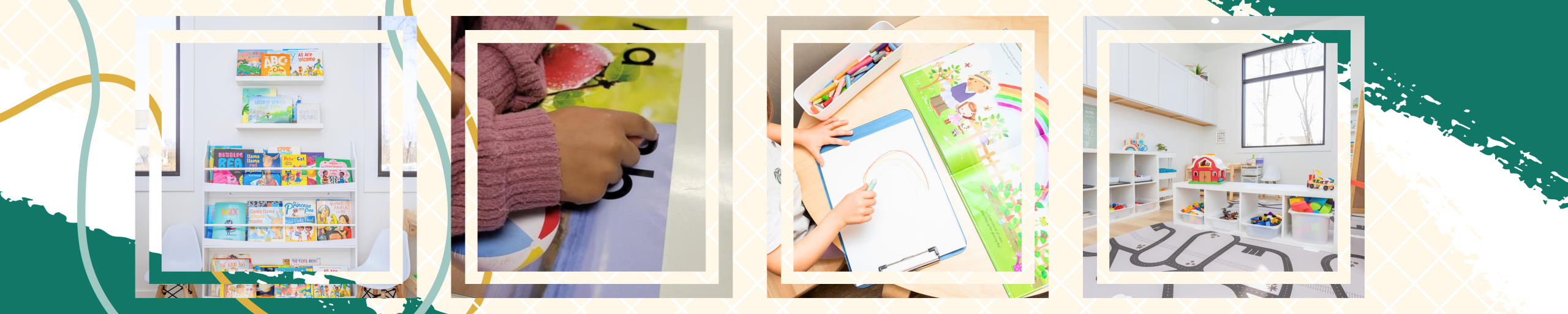
Choosing the right program is about more than academics. Families should look for environments that support emotional well-being, encourage curiosity, and provide meaningful interactions.
Key elements of strong programs include:
- Experienced and supportive teachers
- Small class sizes
- A balance of structure and play
- Clear communication with families
- A focus on social and emotional development
These factors contribute to a positive learning experience that supports each stage of development.
Supporting Your Child Through Every Stage
Parents play a vital role in supporting development at every stage. Simple actions like reading together, encouraging play, and maintaining routines can have a lasting impact.
It is also important to remain patient. Development is not linear, and children may progress at different rates. What matters most is creating a supportive environment where children feel safe to grow.
Early learning programs complement what children experience at home. Together, they create a strong foundation for lifelong learning.
Final Thoughts on the Five Stages of Child Development
Understanding the five stages of child development provides valuable insight into how children grow and learn. From infancy to early school age, each phase brings new opportunities for discovery and growth.
Programs like pre-k, preschool, and structured childcare help children navigate these stages with confidence. Through thoughtful and supportive environments, children develop the skills they need to succeed both academically and emotionally.
When families choose the right early learning path, they are not just preparing their child for school. They are helping them build confidence, curiosity, and a lifelong love of learning.