
House Bill 114 represents a significant shift in how Ohio approaches the early years of education, especially with the recent change requiring children to be five years old before the first day of kindergarten. This new requirement has families, educators, and childcare providers alike examining not only how children begin school, but what learning experiences should come before that first day. In the early years, children develop social confidence, language skills, and emotional resilience, and policy decisions like this one shape how families prepare for the transition into formal schooling.
Understanding what House Bill 114 is, why it was introduced, and how it connects to early learning options like pre-k programs and preschool education helps families make informed decisions. This article breaks down the bill in clear terms, explains its goals, and explores what it may mean for early childhood education moving forward.
WHY THE NEW KINDERGARTEN AGE (five years old) GUIDELINE MATTERS
The idea that children must be five years old before the first day of kindergarten is not just an administrative detail. It influences how families plan for early learning, including how long children participate in pre-kindergarten settings. This age requirement means many children will stay in early care and education programs longer before entering kindergarten. For parents and caregivers, this shift emphasizes the need for meaningful, developmentally appropriate learning experiences in the years leading up to elementary school.
For many families, these early years are a time of rapid growth, and the age requirement recalibrates expectations around readiness. When a child spends more time in high-quality early learning environments, they have more opportunities to build foundational skills for school success.
HOW AGE REQUIREMENTS IMPACT EARLY LEARNING CHOICES
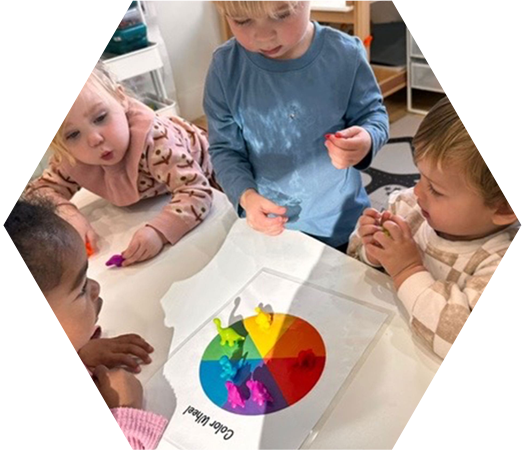
Adjusting the kindergarten age requirement has practical implications for families and providers. Children who are not yet five by the first day of school may spend more time in programs like pre-k programs or other early childhood settings. These spaces offer opportunities for language development, guided play, and social interactions that build school readiness.
For parents, this means thinking not only about childcare logistics but also about how early environments support growth. High-quality early learning programs help children feel prepared not only academically, but emotionally and socially when they finally begin kindergarten. These programs often serve as the bridge between home and the structured world of school.
WHY PRE-K PROGRAMS MATTER IN POLICY DECISIONS
Pre-k programs are often where children first experience learning outside the home. These programs help children develop independence, social skills, and early academic readiness. House Bill 114 recognizes that investing in these early years can reduce learning gaps before they grow larger.
When legislation supports strong pre-k systems, it helps educators focus on quality rather than just availability. This means better-trained teachers, more consistent learning standards, and environments that support the whole child. For families, this translates into greater confidence when choosing early learning programs.
FULL-DAY PRE-K AND ACCESSIBILITY
Another important conversation connected to House Bill 114 is the role of full-day pre-k. Full-day programs provide children with more time for exploration, guided learning, rest, and social interaction. For many families, full-day options also support work schedules while offering consistent routines for children.
From a policy standpoint, supporting full-day pre-k helps ensure that learning is not rushed or fragmented. Children benefit from extended time to engage in activities, build relationships, and develop confidence. House Bill 114 supports the idea that time and consistency matter in early learning environments. Families needed to wait until their child is 5 for full-time kindergarten impacts pre-k schedules and learning outcomes.
WHAT HOUSE BILL 114 MEANS FOR FAMILIES
For families, House Bill 114 represents a step toward clearer standards and better access to early education. While the bill does not replace parental choice, it strengthens the systems that support those choices. Families benefit when early learning programs are held to consistent expectations and supported at the state level.
Parents navigating early education decisions often feel overwhelmed by options. Policies like House Bill 114 aim to reduce confusion by improving program quality and transparency. This allows families to focus on what matters most: finding environments where their children feel safe, supported, and engaged.
THE ROLE OF PRE-K ENROLLMENT IN EARLY SUCCESS
Preschool/pre-k enrollment is more than a registration step; it is an entry point into structured learning. House Bill 114 acknowledges the importance of making enrollment processes clearer and more accessible. When families can easily understand their options, children are more likely to benefit from early education.
Strong enrollment systems help ensure that children are placed in programs that meet their developmental needs. This supports smoother transitions into kindergarten and reduces early learning disruptions. Over time, these improvements can have lasting effects on academic confidence and engagement.

LOOKING AHEAD: WHY HOUSE BILL 114 MATTERS LONG-TERM
House Bill 114 reflects a broader shift toward recognizing early education as a public priority. By focusing on early learning systems, the bill supports long-term educational outcomes rather than short-term fixes. This approach benefits children, families, educators, and communities as a whole.
When early education is supported at the policy level, it sends a clear message about its value. Children who receive strong early learning experiences are more likely to succeed academically and socially. House Bill 114 helps lay the groundwork for that success.
FINAL THOUGHTS
House Bill 114 may seem like just another piece of legislation, but its focus on early learning makes it especially meaningful. By supporting preschool and pre-kindergarten education, the bill acknowledges the importance of learning during the earliest years of life– specifically up to age five. These experiences shape how children approach school, relationships, and challenges.
Blog posts and expert coverage help families stay informed about policy changes. For instance, recent reporting from NBC4i provides context and insight into how Ohio’s age requirement for kindergarten has shifted and what that means for families: https://www.nbc4i.com/news/politics/ohio-changes-who-is-eligible-for-kindergarten-enrollment/
For families exploring early education options, understanding policies like House Bill 114 provides valuable context. It highlights why early learning matters and how thoughtful legislation can support stronger outcomes for children across Ohio.