Montessori, Reggio Emilia, and Positive Education all support children as active participants in learning, but they do it differently. Montessori emphasizes independence within a prepared environment, Reggio Emilia centers on inquiry and collaborative projects, and Positive Education intentionally builds well-being, resilience, relationships, and character strengths alongside academics.
At Learning to Flourish, founder Krystal Mitchell’s background in pre-kindergarten, kindergarten, literacy development, teacher coaching, and curriculum development helped shape a whole-child model built around research-based instruction, independence, creativity, and Positive Education. The goal is not to force children into one educational box. It is to balance structure, choice, connection, and room to grow.
Montessori vs. Reggio Emilia vs. Positive Education: What’s the Difference in Practice?
The easiest way to understand these approaches is to look at what each one prioritizes.
| Area | Montessori | Reggio Emilia | Positive Education |
|---|---|---|---|
| Main focus | Independence and mastery | Inquiry, creativity, collaboration | Well-being, strengths, resilience |
| Teacher role | Guide and observer | Co-learner and facilitator | Teacher, coach, model |
| Learning style | Individual, hands-on work | Projects built around questions | Can blend with academic and play-based learning |
| Social-emotional focus | Independence and self-regulation | Relationships and collaboration | Gratitude, mindfulness, resilience, positive relationships |
These are not three identical types of preschool curriculum. Montessori is a defined educational method. Reggio Emilia is better understood as a philosophy or approach, while Positive Education is a framework that brings positive psychology and well-being practices into education.
What Is the Montessori Approach?
Montessori classrooms are designed to help children become increasingly independent. Materials are arranged so children can access them, make choices, complete purposeful work, and return materials when finished. Teachers observe closely and introduce lessons or materials when a child appears ready.
The approach often provides long periods of uninterrupted work and encourages concentration, order, practical life skills, and self-correction. Mixed-age classrooms are also common. Families who value routine, independence, hands-on materials, and children working at their own pace may find Montessori appealing.
The Association Montessori Internationale’s overview of Montessori is a helpful resource for parents who want to explore the traditional model in more detail.
Parents should also ask how closely a preschool follows the Montessori method. Some schools use Montessori-inspired materials or language without operating as a fully Montessori program. That is not necessarily a problem, but families should understand what they are choosing.
What Is the Reggio Emilia Approach?
Reggio Emilia begins with the idea that children are capable, curious thinkers who can investigate meaningful questions. Teachers pay close attention to children’s interests and use those interests to build projects, conversations, and deeper exploration.
Creativity plays a major role. Children may communicate their thinking through drawing, building, movement, dramatic play, music, or discussion. Teachers document learning so they can revisit children’s ideas and extend them.
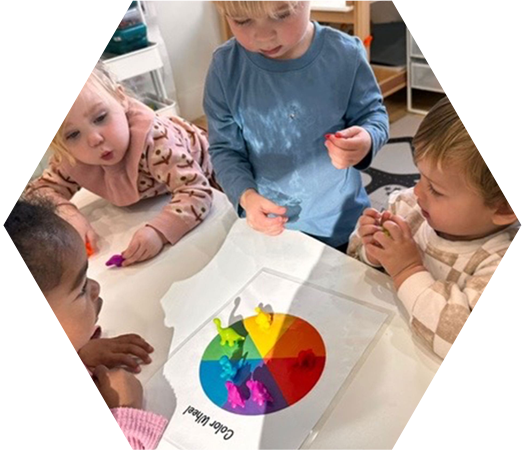
Families can see a clear Reggio influence at Learning to Flourish. Our Studio Sessions are inspired by the Reggio Emilia Approach and give children opportunities to explore art, music, science, and philosophy through inquiry-based projects. That work becomes another way for children to think, communicate, and make connections.
What Is Positive Education?
Positive Education asks how we can help children learn while also building skills that support a healthy, meaningful, and resilient life. It combines strong educational practices with principles from positive psychology.
At Learning to Flourish, well-being is intentionally woven into the day. Children practice gratitude, social connection, mindfulness, yoga, resilience, and appreciation for nature. Daily community meetings also support connection, focus, active listening, and social-emotional development.
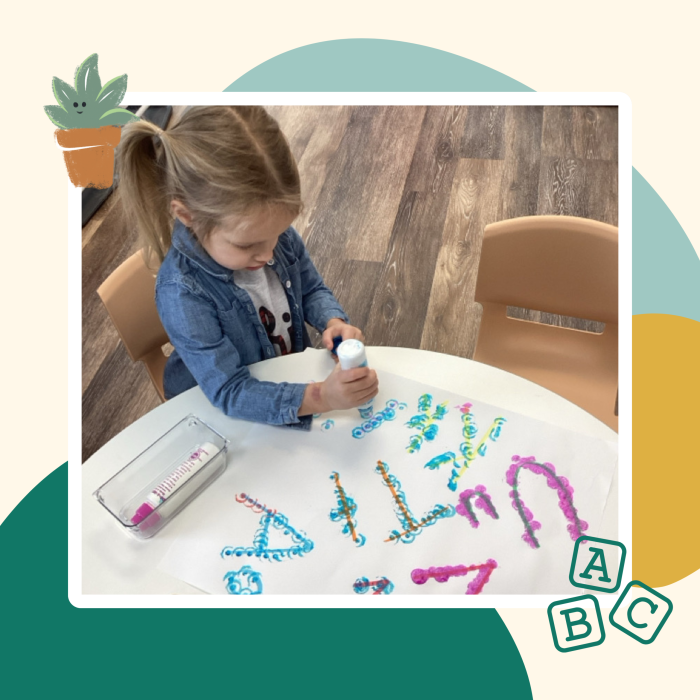
Academics still matter. Our curriculum includes early literacy, collaborative math, teacher-led instruction, small-group learning, outdoor exploration, and self-directed play. Positive Education connects those experiences to a larger goal: helping children learn, relate to others, handle challenges, recognize strengths, and develop confidence.
Where These Approaches Overlap
Despite their differences, all three approaches expect children to be active participants rather than passive receivers of information. Children explore, make choices, solve problems, and gradually take more ownership of learning.
Independence is one example. Montessori makes it central. Reggio Emilia supports agency by treating children’s questions seriously. Positive Education reinforces it by helping children build confidence, perseverance, emotional awareness, and problem-solving skills.
Learning to Flourish intentionally blends teacher-guided and child-directed learning. A child may move from focused early-literacy instruction to self-directed play, outdoor exploration, collaborative math, yoga, or a Studio project. For us, the value is in the balance.
Small groups help teachers notice how each child learns and when support is needed. Our article, Benefits of Small Class Sizes in Preschool: What Parents Should Know, explains why responsive teacher-child interactions can make such a difference.
Which Preschool Philosophy Is Best for Your Child?
There is no universal answer. A child who loves order, repetition, independent work, and mastering tasks may respond well to Montessori. A child who thrives on creativity, collaboration, and big questions may connect strongly with Reggio Emilia. Families who want academics paired with resilience, mindfulness, positive relationships, and emotional well-being may be especially drawn to Positive Education.
Still, watch what happens beyond the philosophy statement. How do teachers respond when a child is frustrated? Is there meaningful time for play? Are children known as individuals? Can the school explain how it balances choice with intentional instruction?
Those practical details matter during Preschool, when a child is learning that school is a safe place separate from home. The same is true for families working through Preschool Separation Anxiety. A philosophy only has value if caring teachers can apply it to real children in real moments.
Look at the Whole Child, Not Just the Label
Early childhood development is not perfectly linear. A child may be academically ready for a new challenge but still need social support. Another may be highly independent during play while needing more time to build confidence in group activities.
That is why Learning to Flourish approaches each Preschool Transition by considering the whole child. Teachers and parents work together to determine when moving to the next program makes sense rather than relying only on a birthday or a single skill.
Small class sizes support that approach. At the New Albany campus, the preschool program for 3- and 4-year-olds is designed around a 1:10 staff-to-child ratio with a maximum group size of 10. That creates more opportunities for teachers to notice progress, respond to needs, and build genuine relationships.
Choosing a Preschool That Helps Your Child Flourish
The best choice is the one you can see working for your child. Look beyond the name on the philosophy page and pay attention to classroom rhythm, teacher relationships, opportunities for exploration, and the way the school responds to individual development. A preschool should prepare children to learn, but it should also help them become confident, curious, connected people.