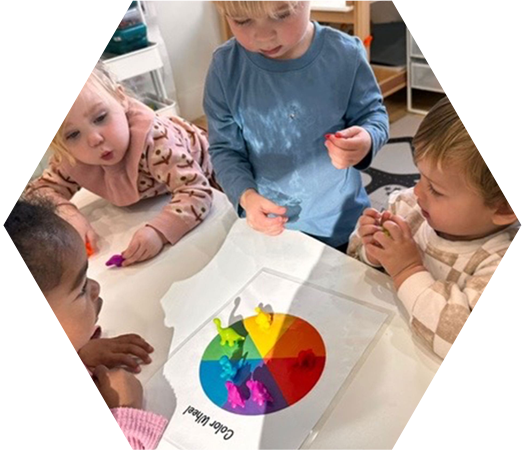

Choosing childcare is one of those parenting decisions that stays with you long after enrollment forms are signed. It’s not just about schedules or convenience; it’s about trusting someone else with your child’s daily experiences, emotions, and growth. Many parents feel a mix of reassurance and uncertainty, especially in the early weeks, as they try to understand whether their child is simply adjusting or truly thriving. Learning how to recognize the signs of a positive childcare experience can help replace doubt with confidence.
Families considering childcare often want clear reassurance that their child is happy, supported, and learning in meaningful ways.
WHAT THRIVING REALLY MEANS IN CHILDCARE
Thriving in childcare is not about constant smiles or perfect days. Instead, it reflects a sense of emotional safety, steady growth, and increasing confidence. A thriving child feels secure enough to explore, make mistakes, and seek help when needed. These experiences build resilience and curiosity, which are essential for long-term development.
In high-quality environments, children are supported as whole individuals. They are encouraged to develop social skills, emotional awareness, and independence at their own pace. This kind of growth is often most visible over time, rather than in a single moment.
EMOTIONAL WELL-BEING AND A SENSE OF SAFETY
One of the strongest indicators that a child is thriving is emotional well-being. Children who feel safe in childcare are more likely to express their feelings openly, recover from frustration, and form secure attachments with caregivers. They may still experience moments of sadness or hesitation, but those moments are met with understanding and support.
In nurturing childcare settings, caregivers respond consistently and calmly to children’s needs. Over time, this helps children regulate their emotions and trust the adults around them. Emotional safety lays the groundwork for learning, relationships, and confidence.
SOCIAL CONNECTIONS AND PEER RELATIONSHIPS
Thriving children gradually build relationships with peers and caregivers. You might hear your child mention friends, talk about shared activities, or reenact social moments through play. These interactions show that your child feels comfortable engaging with others and navigating group dynamics.
In community-focused programs such as Learning to Flourish, social development is supported intentionally. Children learn to take turns, resolve small conflicts, and cooperate during play. Even quieter children can thrive socially when their temperament is respected and supported.
ENGAGEMENT, CURIOSITY, AND DAILY INTEREST
A child who is thriving shows interest in their environment. This might look like exploring new materials, asking questions, or returning to favorite activities with focus and excitement. Engagement does not always mean high energy; it can also be seen in quiet concentration or thoughtful observation.
Strong childcare programs create spaces where curiosity is welcomed. Children are given time to explore without being rushed, allowing learning to unfold naturally. This kind of engagement supports problem-solving skills and confidence over time.
ROUTINES THAT SUPPORT COMFORT AND GROWTH
Predictable routines help children feel secure. Knowing what comes next allows them to relax and focus on play, learning, and relationships. Thriving children usually adapt to daily routines with increasing ease, even if transitions were difficult at first.
Quality childcare programs balance structure with flexibility. They recognize that children need consistency, while also allowing space for individual needs. This balance supports emotional regulation and independence.
COMMUNICATION BETWEEN FAMILIES AND CAREGIVERS
Clear, consistent communication is a key part of thriving childcare experiences. When caregivers share updates, observations, and insights, parents gain a fuller picture of their child’s day. This transparency builds trust and helps families feel connected, even when they are not present.
In supportive childcare environments, communication goes beyond surface-level reports. Caregivers may share how a child handled a challenge, connected with a peer, or showed new interest in an activity. These details signal attentiveness and genuine care.
LEARNING THROUGH PLAY AND PURPOSEFUL EXPERIENCES
Thriving does not mean academic pressure. Instead, it means learning is woven naturally into play and daily experiences. Children build language, problem-solving, and creativity through stories, art, movement, and exploration.
Programs that include full-day pre-k, preschool, and pre-kindergarten education often integrate these goals thoughtfully. These approaches support early learning while respecting each child’s developmental stage. You can explore how these experiences are designed here:
PHYSICAL WELL-BEING AND DAILY CARE
A thriving child is supported physically as well as emotionally. This includes access to outdoor play, opportunities for movement, appropriate rest, and attention to basic needs. You may notice improved sleep patterns, steady energy levels, or increased comfort with daily routines.
High-quality childcare programs understand that physical comfort impacts learning and mood. When children feel well-rested and active, they are more open to social interaction and exploration.
WHEN ADJUSTMENT TAKES TIME
Thriving does not always happen immediately. Some children take longer to adjust to new environments, especially during transitions. Progress may be gradual, showing up as shorter separation moments, more relaxed body language, or increased engagement over weeks.
Supportive childcare programs recognize this process and work closely with families. Patience, consistency, and open communication often lead to positive outcomes over time.

A PRACTICAL WAY TO ASSESS THRIVING
If you’re unsure how your child is doing, reflecting on patterns can help. Here’s a simple framework many parents find useful:
| Area to Observe | Signs of Thriving |
| Emotional comfort | Seeks comfort, recovers from upset |
| Social interaction | Engages with peers or caregivers |
| Engagement | Shows curiosity or focus |
| Routine | Adapts to daily structure |
| Communication | Caregivers share meaningful updates |
These observations together offer a clearer picture than any single moment.
TRUSTING YOUR PARENTAL INSTINCTS
Parents often sense when something feels right. Thriving childcare experiences feel collaborative, transparent, and respectful. If you feel supported, informed, and see steady growth in your child, those feelings matter.When parents feel confident and connected, children benefit from that sense of security.
FINAL THOUGHTS ON THRIVING IN CHILDCARE
Knowing whether your child is thriving in childcare takes time, observation, and trust. Thriving shows up as emotional safety, curiosity, connection, and steady growth. In thoughtful environments, children are supported as individuals and encouraged to grow at their own pace.
When childcare truly works, it becomes a partnership. It supports children’s development while helping families navigate this important stage with greater confidence and peace of mind.