
Balancing work and parenting rarely feels simple. Most days, it’s a mix of meetings, meals, school papers, and bedtime routines all competing for your attention. In the middle of that swirl, reliable childcare becomes the quiet backbone that holds everything together. When you know your child is safe, supported, and learning during the day, it’s easier to show up fully at work and still have something left to give at home.
For many families in Ohio—especially those exploring local options—choosing the right program is both a practical and emotional decision. This guide will walk you through how to think about that choice, what truly matters in a childcare setting, and how to find a partnership that makes work–life balance more realistic.
WHY RELIABLE CHILDCARE MATTERS SO MUCH
Childcare is more than a place where your child spends the day. It’s where they learn how to share, express feelings, solve problems, and build independence. When childcare is reliable and high-quality, it supports your child’s development and gives you confidence as a parent. When it’s inconsistent or unclear, it adds stress to an already full life.
In my experience, the families who feel most at peace with their work–life balance are the ones who trust their childcare decisions. That trust doesn’t come from perfection; it comes from transparency, communication, and seeing your child genuinely flourish in their environment.

SUPPORTING WORKING FAMILIES
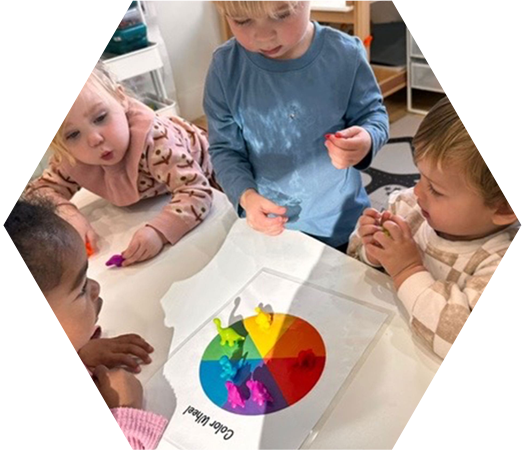
A strong childcare program blends structure with warmth: predictable daily routines, clear expectations, and space for kids to be themselves.
When childcare becomes part of your weekly rhythm, it should feel like a supportive extension of your home. The right center gives your child a place to play, learn, and grow while giving you the freedom to focus on work without constant worry.
COMMUNITY, CONNECTION, AND ROUTINE
For many families, childcare is about finding a close-knit, community-focused program where children feel known. Childcare that truly supports working parents will prioritize consistency in staffing, schedules, and communication. You want to see familiar faces at drop-off, steady routines across the week, and teachers who understand your child’s temperament and needs.
When childcare is reliable, your mornings become calmer, transitions smoother, and your workday less stressful. You’re not wondering all day if your child is okay—you already know they’re settled into their routine.
HOW FULL-DAY PRE-K CAN HELP WITH WORK–LIFE BALANCE
For some families, a full-day pre-k program makes balancing work and parenting easier. A full-day schedule reduces the need for multiple handoffs or piecing together care from different sources. It offers children one consistent place to be each day, with a rhythm that includes learning, meals, rest, and play.
If you’re curious about how full-day options are integrated into local programs, you can explore full-day pre-k offerings as part of a broader early childhood experience. The right full-day setting supports both your child’s readiness for school and your ability to maintain a stable work schedule.
Explore Local Childcare Options
For example, high-quality pre-k in New Albany helps bridge the gap between childcare and formal schooling. In these programs, children experience more structured group times, early literacy activities, and opportunities to practice following multi-step directions. At the same time, they still benefit from play-based learning and nurturing relationships with teachers.
When pre-k is thoughtfully designed, it can function as both education and care—supporting early learning while still providing the coverage working families need. You can learn more about these integrated experiences through pre-k in New Albany program pages and tours.
PRE-KINDERGARTEN EDUCATION: MORE THAN A LABEL
The phrase pre-kindergarten education sometimes sounds formal, but at its best, it simply means meeting children where they are and gently stretching their skills. It’s about building vocabulary through stories, encouraging problem-solving in play, and helping children navigate friendships and big feelings.
In Ohio communities like New Albany and Gahanna, strong pre-kindergarten education programs weave these goals into the daily flow of care. When you explore local options, look for programs that describe not just what children do, but what they are learning and practicing. You can get a sense of that philosophy from centers that highlight pre-kindergarten education in their materials and tours.
PRESCHOOL, CHILDCARE, AND DAYCARE: HOW THEY FIT TOGETHER
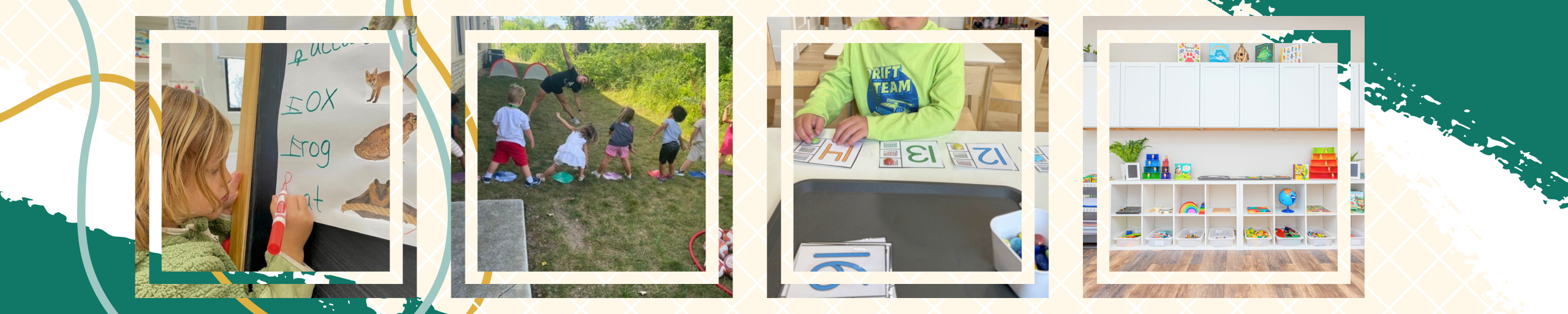
Parents are often unsure where the lines are between preschool, childcare, and daycare. In reality, many Ohio programs combine aspects of all three.
Instead of getting stuck on labels, it helps to ask: Is my child safe? Are they engaged? Are they building skills in ways that feel appropriate for their age? If a program—whether it calls itself daycare, preschool, or childcare—meets those needs, it’s likely a strong partner in your work–life balance.
TIPS FOR MAKING CHILDCARE PARTNERSHIP WORK
Once you’ve chosen a program, the next step is building a healthy partnership. Share key information about your child’s routines, preferences, and any worries you have. Ask how teachers prefer to communicate—email, app, quick chats at pickup—and use that channel consistently.
As a parent, I’ve found that checking in periodically (instead of every single day) can strike a balance between staying informed and respecting the teachers’ time. The goal is mutual trust: you rely on them during the day, and they can rely on you to support routines and expectations at home.
FINDING A BALANCE With Learning to Flourish
Work–life balance isn’t about having every day go perfectly. It’s about building a structure that supports your family most of the time and gives you room to adjust when life inevitably gets messy. Choosing reliable childcare—whether through childcare in new Albany, childcare in gahanna, or another Ohio community—is one of the most impactful choices you can make in that process.
When you partner with a program that understands children and respects families, you’re not doing this alone. You have a team helping your child grow while you do the work your life requires. That doesn’t erase the hard days, but it makes the whole journey more manageable—and a lot more hopeful.