
Is it better to start preschool at 3 or 4? Understanding Readiness
Choosing the right age for preschool is more nuanced than just looking at the number on your child’s birthday cake. While many families think 3‑year‑olds and 4‑year‑olds fall neatly into a preschool window, each child is unique. Emotional, social and developmental readiness play a significant role in deciding when to introduce your little one to structured learning. Research shows that high‑quality early education offers long‑term benefits, but those gains are most pronounced when the program matches the child’s developmental stage. For some children, starting at three sparks curiosity and independence, whereas others flourish with an extra year of at‑home growth before enrolling at four.
Exploring Ages: What Age Do Kids Typically Start Preschool?
Across the United States, most children begin preschool between ages three and five. This broad range reflects differences in state guidelines, local program requirements and family preferences. Early preschool programs often welcome toddlers as young as 2½, while traditional programs may focus on three‑ and four‑year‑olds. More formal pre‑k classrooms, designed to prepare children for kindergarten, typically cater to four‑ and five‑year‑olds. Rather than fixating on a precise birthday, look for developmental milestones: is your child interested in books, stories and group play? Can they communicate basic needs and follow simple instructions? These indicators signal readiness more accurately than age alone. At Learning to Flourish, we see children as individuals; our programs adapt to their pace so that age becomes a guide rather than a rule.
Is preschool mandatory?
Families often ask whether enrolling in preschool is compulsory. In most states, preschool remains optional. Public pre‑k and early childhood programs serve as a bridge between home and kindergarten, but they are not legally required. Many children thrive without formal preschool, particularly when parents provide rich play experiences and social interaction at home. Nevertheless, high‑quality programs can give children a head start by nurturing social‑emotional skills, introducing early literacy and numeracy, and fostering independence. For working parents, a Full‑day Preschool option combines educational enrichment with reliable care, making it a compelling choice. Ultimately, deciding to enroll should revolve around your child’s readiness and your family’s needs rather than external mandates.
Full‑day vs half‑day: does program length matter?
When deciding Is it better to start preschool at 3 or 4?, families often ask whether a full‑day schedule is necessary. Recent research comparing full‑day and half‑day programs found that children, particularly those from low‑income communities, achieved higher academic and social gains when enrolled in full‑day preschool. Full‑day students showed better reading and math proficiency by third grade and were less likely to repeat a grade (parents.com). These results underscore the value of extended exposure to a structured, nurturing environment where educators collaborate closely with nearby elementary schools. However, the benefits were linked not just to the length of the day but also to program quality and alignment with elementary curricula. Parents should weigh their child’s stamina and need for routine when choosing between Full‑day Preschool and shorter options. For some children, half‑day may provide enough stimulation without overwhelming them; for others, a full‑day program better supports working parents and offers continuity of care.
Is it better to start preschool at 3 or 4? Emotional and social considerations
One of the biggest questions parents face—Is it better to start preschool at 3 or 4?—hinges on emotional readiness. Children who start at three may still experience intense separation anxiety or may not yet understand how to navigate group dynamics. Those starting at four are often more comfortable being away from caregivers and may show greater empathy, patience and turn‑taking skills. In making your decision, observe your child’s ability to separate without prolonged distress and their interest in playing cooperatively with peers. If they still prefer solitary or parallel play, an extra year at home could allow them to mature emotionally. On the other hand, if they enthusiastically engage with other children, follow simple rules and show curiosity about the world, starting at three can ignite a love of learning and socialising.
Managing separation anxiety
It’s normal for young children to feel uneasy when saying goodbye, but extreme distress can signal that a child is not yet ready for preschool. Gradual exposure to short separations—such as playdates, visits with relatives or storytime at the library—helps build confidence. When your child can recover from initial tears and settle into an activity without constant reassurance, they may be ready for the preschool environment. Remember that a gentle, supportive teacher plays a critical role in easing children into their new routine.
Encouraging cooperative play
Three‑year‑olds often engage in parallel play, where they play beside rather than with peers. By age four, children are more inclined to share, collaborate and respond to others’ feelings. A child who readily hands over toys, communicates during play and takes turns—even with reminders—will likely adapt well to preschool. If your child frequently struggles with hitting, biting or meltdowns during group activities, providing additional time to practice social skills at home might be beneficial before enrolling.
Developmental milestones: comparing three‑ and four‑year‑olds
Another aspect to consider in deciding Is it better to start preschool at 3 or 4? is the set of developmental milestones typically reached at these ages. Three‑year‑olds often master basic self‑help skills like washing hands, dressing with assistance and beginning potty training. They are curious and ask endless questions but may still use short phrases and rely on caregivers to interpret their needs. By four, children generally communicate more complex ideas, can follow two‑step instructions, and display increased physical coordination. They’re also more independent in toileting and can sit still for slightly longer periods—important for participating in circle time or group projects. While milestones offer a guide, every child develops on their own timetable. If your three‑year‑old meets many of the four‑year‑old benchmarks, they may thrive in preschool; if not, waiting could reduce frustration and build confidence.
What’s the best way to choose a preschool?
Selecting a preschool isn’t just about age—it’s about finding the right environment for your child’s personality and your family’s values. Here are some factors to consider:
-
Educational philosophy and curriculum: Look for programs that balance play with structured learning, encourage exploration and align with kindergarten expectations. At Learning to Flourish in New Albany and Gahanna, our curriculum blends hands‑on discovery with academic foundations. We offer both Full‑day Preschool and Preschool options, allowing families to choose the schedule that suits them.
-
Teacher qualifications and ratios: Experienced educators trained in early childhood education understand how to nurture social and emotional growth. Smaller class sizes and low student‑to‑teacher ratios ensure more individual attention. Ask whether teachers receive ongoing professional development and collaborate with local elementary schools.
-
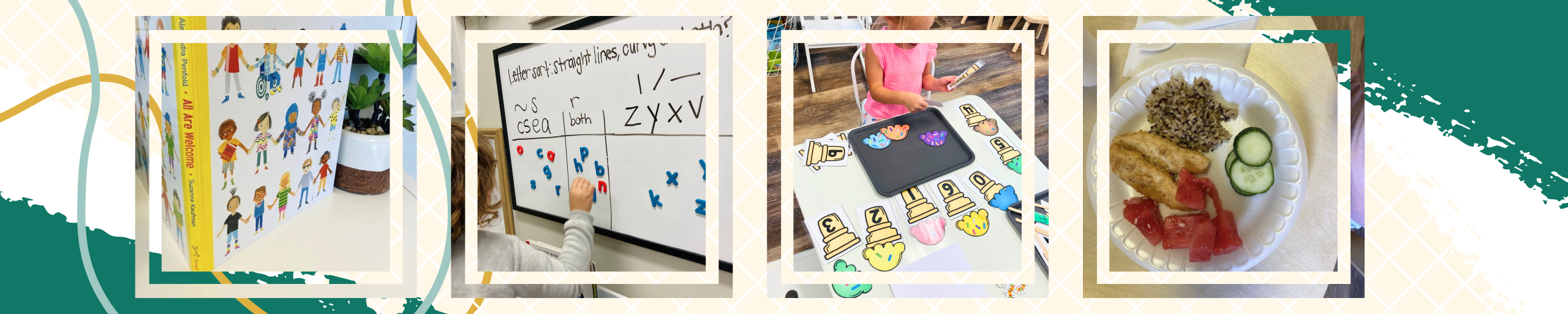
Learning environment: A bright, safe and welcoming classroom invites children to explore. Outdoor play spaces, well‑organized centers and accessible materials support different learning styles. Visiting prospective schools lets you see how children interact and whether the atmosphere feels right for your family.
-
Family involvement: Successful programs value partnership with parents. Regular communication, parent conferences and opportunities to participate in classroom activities strengthen connections. Many families appreciate using apps or platforms that provide updates on daily activities and milestones.
Our team at Learning to Flourish invites you to tour our New Albany and Gahanna campuses to see firsthand how our pre‑k classes prepare children for elementary success. We believe that every child deserves a nurturing start, and we’re proud to serve families in Central Ohio with high‑quality early education.
Three key tips to prepare your child for preschool
Once you decide Is it better to start preschool at 3 or 4?, it’s helpful to prepare your child for the transition. Simple routines and activities at home can make the leap to a structured classroom smoother.
-
Build basic literacy and numeracy: Reading picture books together, counting toys during playtime and singing the alphabet song reinforce early learning. Incorporate letters and numbers into daily routines—spot letters on signs during a walk or count fruit at the grocery store. These playful interactions encourage curiosity without pressure.
-
Encourage social interaction: Regular playdates, visits to the park and group classes expose children to peers of different ages and personalities. These experiences teach sharing, empathy and problem‑solving. If your child is shy, start with small groups and gradually increase their exposure to larger settings.
-
Foster independence: Practice self‑help skills like putting on shoes, washing hands and tidying up toys. Encourage your child to ask for help when needed, but resist the urge to do everything for them. Confidence in these everyday tasks translates to independence in the classroom.
Is a 3 Year Old Ready for Preschool?
It’s natural to wonder whether your three‑year‑old can handle the demands of preschool. An excellent resource is our article Is a 3 Year Old Ready for Preschool?, which explores readiness indicators in depth. Generally, three‑year‑olds are ready if they can communicate basic needs, follow simple directions and handle brief separations. At this age, curiosity and openness to new experiences often outweigh the occasional tantrum or accident. If your child isn’t quite there, don’t worry. Offering a rich home environment filled with stories, songs and play will continue to build the skills needed for future success.
Conclusion: Balancing age and readiness
So, Is it better to start preschool at 3 or 4? There is no universal answer. The best decision blends your child’s developmental readiness with your family’s circumstances and values. Age three offers the benefit of early exposure to group learning, while age four allows for additional maturity and independence. Evaluate your child’s emotional resilience, social skills, language development and physical independence. Consult with early childhood educators and visit prospective programs to gain insights. Trust your instincts—you know your child better than anyone. With thoughtful preparation and a nurturing environment, whether at home or in a pre‑k classroom, your child will be ready to flourish.