
Early childhood is a time of rapid growth, emotional development, and learning through experience. At four years old, children are exploring independence, testing boundaries, and learning how to manage big emotions. Because this stage comes with strong personalities and changing behaviors, many parents wonder which behaviors are typical and which might signal a deeper concern. Understanding the difference helps families support their child with confidence instead of worry.
Behavioral red flags do not always mean something is wrong. Often, they are signs that a child needs additional guidance, support, or a structured environment where skills can develop naturally. Programs like a well-designed preschool program or a quality pre-k programs settings often help children build emotional regulation, social skills, and confidence through routine and support.
UNDERSTANDING NORMAL BEHAVIOR VS. RED FLAGS
Four-year-olds are learning to navigate emotions, friendships, and independence at the same time. Occasional tantrums, defiance, or high energy are common during this stage. Children are still learning how to communicate frustration and solve problems calmly. This is why patience and consistency are key.
Behavior becomes a concern when challenges are intense, frequent, or interfere with everyday learning and relationships. If a child struggles consistently across multiple environments, such as home and school, it may be worth paying closer attention. Context always matters. Looking at patterns over time helps parents distinguish temporary phases from behaviors that need extra support.
HOW A PRESCHOOL PROGRAM SUPPORTS EMOTIONAL GROWTH
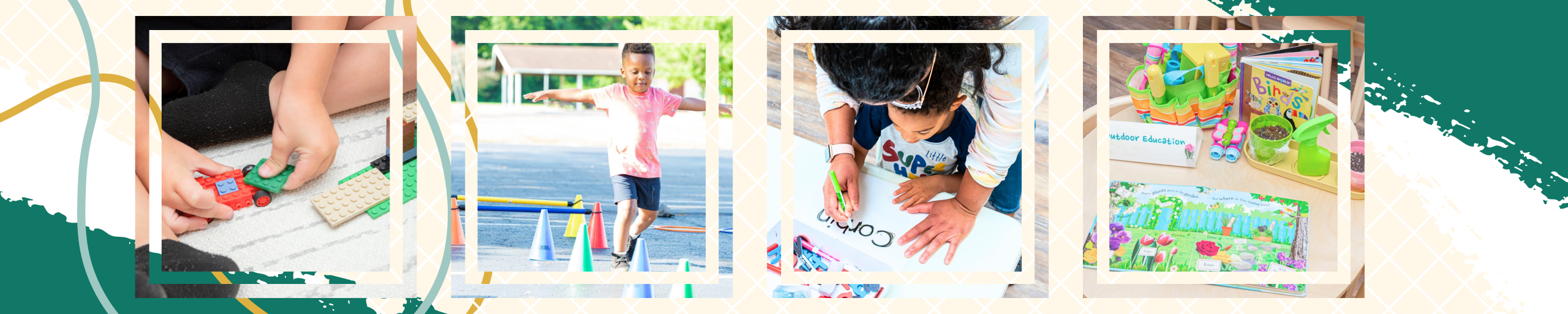
A high-quality preschool program provides structure and predictability, which helps children feel safe enough to practice emotional skills. In structured environments, children learn how to share, wait, follow routines, and manage disappointment in healthy ways. Teachers guide these moments gently, turning everyday challenges into learning opportunities.
When children participate in consistent early learning environments, they often develop stronger social and emotional skills. Daily routines reduce anxiety and help children understand expectations. This supportive environment can naturally reduce behaviors that may feel overwhelming at home.
COMMON BEHAVIORAL RED FLAGS TO WATCH FOR
Some behaviors may suggest a child needs additional support or observation. These can include extreme aggression toward others, ongoing difficulty communicating needs, or frequent emotional outbursts that do not improve over time. Persistent withdrawal, lack of interest in social interaction, or extreme frustration during simple tasks may also signal concern.
Parents should also watch for behaviors that limit a child’s ability to participate in everyday routines. If transitions constantly trigger intense reactions, or if a child struggles significantly with peer interactions, these may be signs to explore further. Early awareness allows parents and educators to respond proactively.
THE ROLE OF PRE-K PROGRAMS IN BUILDING SOCIAL SKILLS
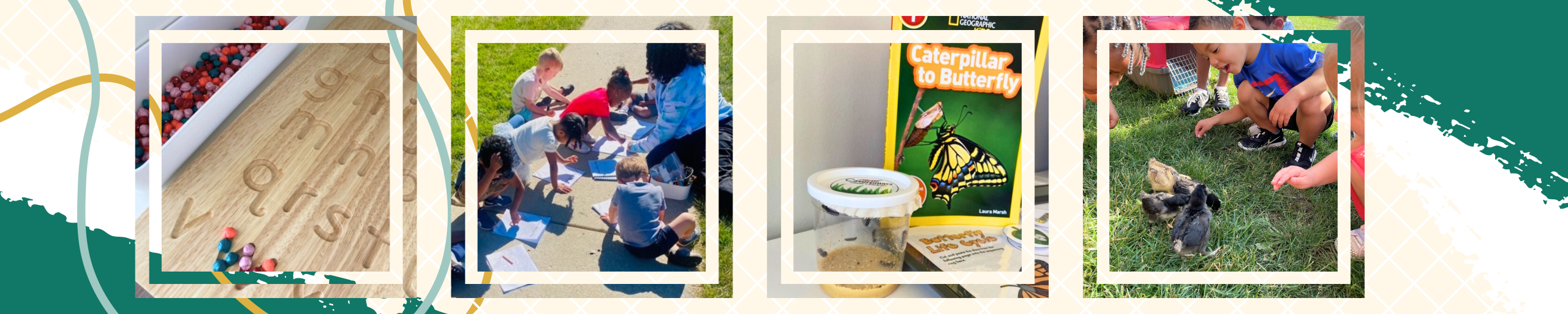
Quality pre-k programs give children daily opportunities to practice cooperation and emotional regulation. Through group activities, imaginative play, and guided learning, children learn to navigate social situations that may initially feel challenging. Teachers model healthy communication and problem-solving strategies.
In many cases, behaviors that seem concerning at home begin to improve when children are exposed to consistent peer interaction and supportive guidance. Social growth does not happen instantly, but repetition and routine play a major role in progress. This is why early learning environments are so valuable during this stage.
WHEN FULL-DAY PRE-K CAN MAKE A DIFFERENCE
Some children benefit from the longer, predictable rhythm offered in full-day pre-k environments. Extended time allows children to adjust gradually to social expectations and routines without feeling rushed. This slower pace can reduce anxiety and improve behavior regulation.
A full-day structure also provides more opportunities for teachers to observe patterns, support transitions, and guide positive behaviors. Children gain confidence through repetition and predictable daily flow. For many families, full-day learning supports both developmental growth and family schedules.
HOW FULL-DAY PRESCHOOL SUPPORTS CONSISTENCY
Consistency is one of the most powerful tools in child development. A full-day preschool setting allows children to experience the same expectations, routines, and emotional support throughout the day. This reduces confusion and helps children feel secure.
Children who struggle with behavior often respond positively to stable environments where boundaries are clear but nurturing. Over time, consistency helps children internalize routines and develop stronger self-regulation skills. Small progress each day adds up to meaningful growth.
THE IMPORTANCE OF PRESCHOOL ENROLLMENT FOR EARLY SUPPORT
Early preschool enrollment can provide families with valuable insight into their child’s development. Teachers work with many children and can help identify patterns or strengths that parents may not notice at home. This collaborative approach creates a strong support system around the child.
Enrollment in structured early learning settings also allows children to build independence gradually. By practicing daily routines, listening skills, and peer interaction, children develop confidence in their abilities. Early support often prevents small challenges from becoming larger issues later.
WHEN TO SEEK PROFESSIONAL GUIDANCE
It is important to remember that every child develops at their own pace. However, if behaviors feel intense, persistent, or concerning across settings, discussing them with a pediatrician or child development professional can be helpful. Seeking guidance is not about labeling children. It is about understanding how to support them best.
Many behavioral concerns improve significantly when families receive early tools and strategies. Professionals can provide reassurance, practical advice, and resources tailored to a child’s specific needs. Early support empowers both parents and children.
HOW PARENTS CAN SUPPORT POSITIVE BEHAVIOR AT HOME
Small daily practices make a big difference. Consistent routines, clear expectations, and calm communication help children feel secure. Positive reinforcement encourages children to repeat healthy behaviors and builds self-esteem.
Parents can also model emotional regulation by staying calm during challenging moments. Children learn more from what they observe than from what they are told. Creating a safe environment for emotions helps children practice managing those feelings over time.
THE BIGGER PICTURE: DEVELOPMENT TAKES TIME
Four-year-olds are still learning how to manage impulses, communicate clearly, and understand social expectations. It is normal for progress to feel uneven. Some days may feel smooth, while others feel challenging. Growth rarely happens in a straight line.
The goal is not perfection. The goal is progress and connection. When children feel supported by both home and school environments, they develop resilience and confidence that carries forward into future learning experiences.
FINAL THOUGHTS
Behavioral red flags in a four-year-old do not automatically signal something serious, but they can be important signals for extra support. Programs like a nurturing preschool program, structured pre-k programs, or even a supportive childcare settings provide children with the tools they need to build emotional and social strength.
At Learning To Flourish, we believe every child deserves an environment that supports growth, connection, and confidence. If you are looking for a preschool in gahanna or pre-k in new albany or other ohio community with emotional development, we invite you to explore and join our programs to help your child thrive.