
Choosing the right early education setting for your child can be both exciting and a bit daunting. Many parents hear terms like preschool and Pre-K and wonder if they mean the same thing or if there are important distinctions. In truth, they share a common purpose of nurturing young learners, but there are key differences to know. If you’ve been wondering what the difference between preschool and Pre-K is, read on – we’ll explore their similarities and unique features so you can make  an informed decision for your child.
Are preschool and Pre-K the same thing?
Preschool and Pre-K are similar in many ways, but they are not exactly the same. Both are early childhood programs designed to help children learn, socialize, and get ready for kindergarten. However, the difference between preschool and Pre-K usually comes down to the age of the children and the focus of the curriculum. Pre-K (short for pre-kindergarten) is typically a more advanced class meant for 4-year-olds (and young 5-year-olds) in the year before they start kindergarten. Preschool, on the other hand, generally serves slightly younger children (often ages 3–4) to build foundational skills.
The Difference Between Preschool and Pre-K: Ages and Eligibility
When looking at the difference between preschool and Pre-K, age is one of the first factors to consider. Preschool programs usually cater to children from about 2½ or 3 years old up to around 4 years old. It’s often the step after toddlerhood – a place for young children to gain independence, play with peers, and learn routine skills in a group setting. By contrast, pre-K programs are typically designed for the 4–5-year-olds who will be entering kindergarten the following year. In many cases, a child must have turned four by a certain date to enroll in a Pre-K class for that school year.
 What is the best age to start preschool?
Most children begin preschool around age 3, but the best age to start can vary depending on the individual child. Preschool readiness is more about developmental milestones than hitting a specific birthday. Some 2½-year-olds might thrive in a preschool setting, while some 3½-year-olds might benefit from waiting a little longer.
Signs Your Child Is Ready for Preschool
-
They can follow simple instructions and handle basic routines (like cleaning up toys or washing hands).
-
They are mostly potty-trained or on the way (many programs require children to be toilet independent).
-
They show interest in playing with other children and can spend a few hours apart from parents without distress (a sign of growing independence).
If your child shows a few of these readiness signs, they are likely ready to benefit from a preschool environment. Remember, every child is unique – some may dive right in at 3, while others might start closer to 4. The goal is to start preschool when your child is developmentally ready to enjoy it and learn from it.
The Difference Between Preschool and Pre-K: Curriculum and Learning Focus
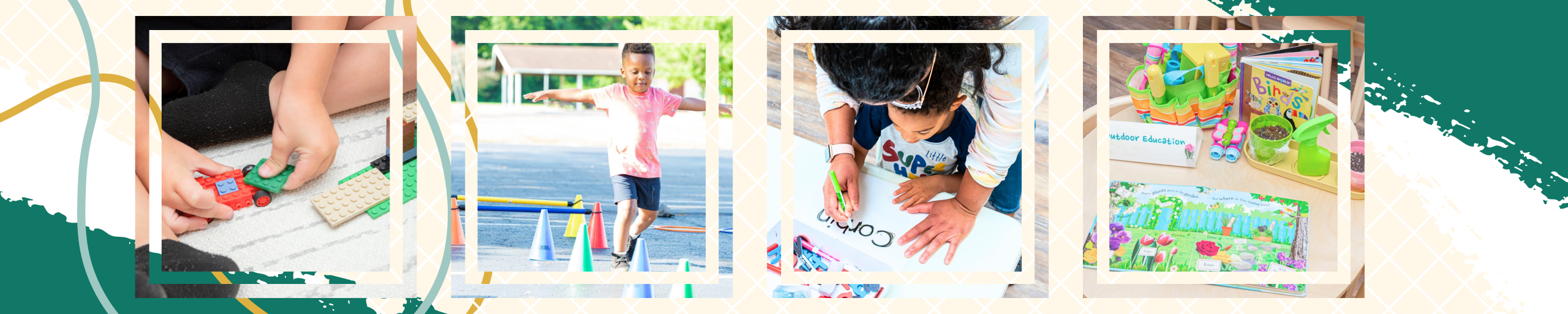
Both preschool and pre-K classrooms emphasize learning through play, but the difference between preschool and Pre-K in curriculum and focus is noticeable. In preschool, the day might feel very much like guided playtime – children explore art, music, stories, and basic concepts like colors, shapes, and sharing. The curriculum is often flexible and tuned to sparking curiosity and social development.
Pre-K, while still play-based, tends to introduce more structured learning activities similar to what children will encounter in kindergarten. Pre-K classes often spend more time on pre-literacy and early math skills. Essentially, a pre-K program zeroes in on school readiness, ensuring that by the time children leave, they are familiar with classroom routines and engaged in more in-depth learning.
Preschool vs. Pre-Kindergarten: Similarities and Differences
Even with these differences, it’s important to remember that both preschool and pre-K share a core mission: helping young children learn and grow in a nurturing environment. Below, we’ll outline some key similarities and differences between preschool and pre-K.
Similarities between Preschool and Pre-K
-
Learning & social development: Both preschool and pre-K provide play-based learning experiences in a nurturing environment. Children engage in hands-on activities (art, music, stories, etc.) and develop social skills like sharing, cooperating, and following instructions.
-
Preparing for kindergarten: Both programs ultimately help ready children for kindergarten by building their confidence, basic academic knowledge, and independence. By the end of preschool or pre-K, kids are comfortable in a classroom setting and excited to learn.
Differences between Preschool and Pre-K
The following table highlights some of the key differences between preschool and Pre-K programs:
| Aspect | Preschool | Pre-K |
|---|---|---|
| Typical Ages | Around 2½ to 4 years old | Generally 4 to 5 years old (the year before kindergarten) |
| Curriculum | Play-based introduction to basics (colors, shapes, counting) with plenty of free play | More structured lessons focusing on reading readiness, writing, and early math; still play-based but more academic. |
| Routine | Often a flexible schedule (half-days or a few days a week) with lots of playtime, snacks, and naps. | More structured daily routine (closer to a kindergarten schedule), often meeting five days a week for consistency. |
 Choosing the Right Program for Your Child
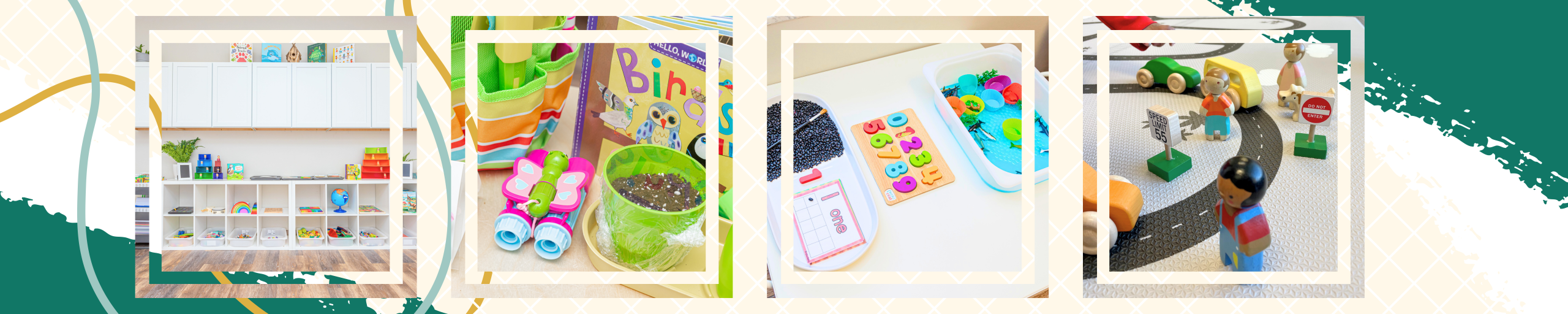
When deciding between a Preschool Program and a Pre-K Program for your child, the best choice will depend on their age and developmental readiness. If your child is around 3 and has never been in a school setting before, a preschool program is likely the ideal place to start. It provides a gentle introduction to group activities and learning routines. On the other hand, if your child is 4 or 5 and will be heading to kindergarten soon, enrolling in a pre-K program can give them a significant boost in school readiness.
It’s also important to consider the quality of the program itself — a great preschool or pre-K will have caring teachers and a curriculum that balances play with learning.
For example, at Learning to Flourish Preschool, we offer both a dedicated Preschool Program for younger learners and a specialized Pre-K Program for those preparing to enter kindergarten. This allows each age group to thrive in an environment tailored to their needs, while maintaining the same overall philosophy of nurturing early childhood growth. In fact, research from experts (such as the National Institute for Early Education Research) shows that children in high-quality early education programs reap lasting benefits in their academic and social development.
Conclusion: The Difference Between Preschool and Pre-K
In the end, the difference between preschool and Pre-K comes down mostly to ages and the level of structure in the learning. Preschool gives younger children a warm, play-filled introduction to learning, while Pre-K prepares older children for the jump into kindergarten with more focused skill-building. By understanding these differences and considering your child’s unique readiness, you can make the best choice and ensure your little one flourishes from the very start.